

Table of Contents
For effective comfort, these HVAC noise reduction tips include using sound blankets, installing vibration pads, sealing ducts, and regular maintenance—each minimizing unwanted noise and boosting system efficiency.
Key Takeaways:
- Use sound-dampening materials
- Install vibration isolation pads
- Seal and insulate ductwork
- Schedule regular HVAC maintenance
- Upgrade to quieter HVAC models
A noisy HVAC system can disrupt your comfort, disturb your peace, and signal potential mechanical issues that could lead to costly repairs if ignored. Whether the sound is coming from your vents, ducts, or the outdoor unit, identifying and addressing the problem early can make a huge difference.
Prolonged mechanical noise inside the home—even at moderate levels—can affect concentration and wellness, especially for those working remotely. According to OSHA’s noise guidelines, managing noise levels in living and workspaces is critical to long-term comfort and health.
At HVAC Alliance Expert, we understand how vital a quiet and efficient system is for a peaceful home environment. Here are 10 proven HVAC noise reduction tips every homeowner should know to maintain tranquility and performance.
1. Inspect and Tighten Loose HVAC Components
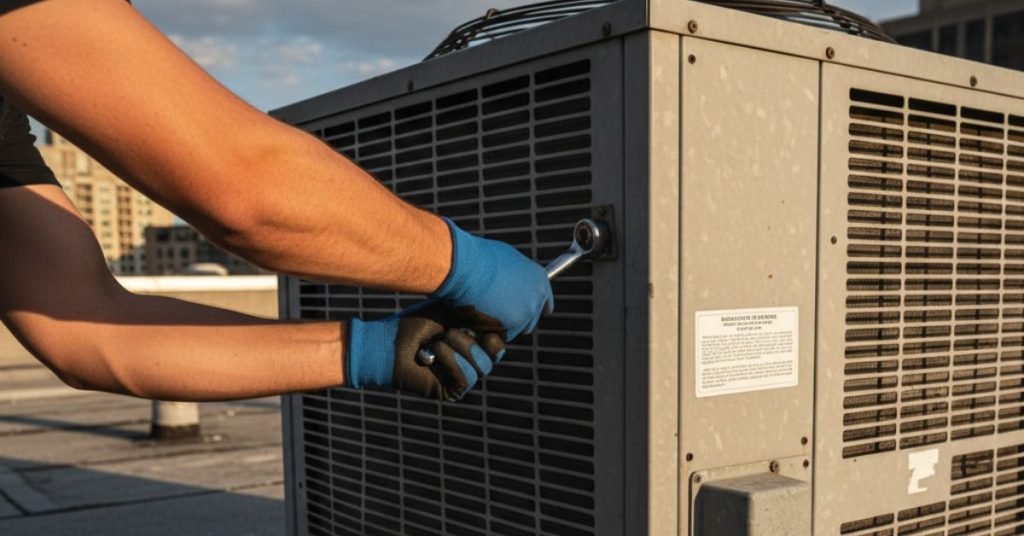
One of the most common causes of HVAC noise is loose parts. Over time, the vibrations created during normal system operation can cause screws, bolts, and panels to loosen. This can lead to rattling, banging, or vibrating sounds that may seem alarming but are often simple to fix. These noises not only disrupt comfort but can also indicate that components are shifting in ways that may lead to wear or damage.
To address this, conduct a routine inspection every few months. Check all access panels, screws, and mounting brackets, and use a screwdriver to tighten any that have come loose. Ensuring everything is securely fastened helps maintain system stability and dramatically reduces unnecessary noise. This simple step is a quick, low-cost way to improve both system performance and indoor peace.
2. Install a Sound Blanket Around the Compressor
If the noise seems to come from the outdoor unit, particularly the compressor, installing a sound blanket can significantly dampen the sound. Compressors naturally produce a humming or buzzing noise during operation, which can become disruptive, especially in quiet neighborhoods or near windows. A sound blanket is a specially designed cover that wraps securely around the compressor, helping to absorb and deflect sound waves without restricting airflow or reducing system performance.
These blankets are affordable, simple to install, and require no special tools. In fact, they can cut compressor noise by up to 40%, offering a noticeable drop in sound levels almost immediately. For homeowners seeking a quick and effective noise reduction method, sound blankets are a smart investment that improves outdoor unit acoustics with minimal effort.
3. Upgrade to a Quieter HVAC Model
Older HVAC units often operate at higher decibel levels than newer models, making them a common source of household noise. Over time, components wear down, and outdated designs lack the modern noise-reducing technology found in today’s systems. Features like variable-speed motors, insulated compressor cabinets, and advanced fan designs help newer models run much quieter while maintaining consistent performance.
If your HVAC system is more than a decade old, it may be time to consider upgrading to an ENERGY STAR®-rated HVAC system. These systems not only operate more quietly but also offer better energy efficiency, which can lead to lower utility bills and a more comfortable indoor environment.
4. Insulate Your Ductwork
Uninsulated or poorly sealed ducts can amplify the sound of rushing air or cause a metallic banging noise known as “oil-canning.” This often occurs when pressure changes in the system cause thin metal ducts to flex, creating loud and sudden popping sounds. These noises can be distracting and are a sign that your ductwork may be inefficient or in need of attention.
To solve this, use acoustic insulation or duct liners made from fiberglass or foam. Adding duct insulation not only absorbs vibration and sound energy but also improves your HVAC system’s energy efficiency—especially when paired with DOE-recommended insulation practices tailored to your home’s climate zone. Proper insulation results in quieter, more effective airflow throughout your home.
5. Replace or Clean Dirty Air Filters
A clogged air filter restricts airflow, causing the HVAC fan and motor to work harder, often leading to loud whistling or humming noises. When airflow is blocked, the system struggles to maintain proper circulation, which can strain components and generate unnecessary sound. This not only affects comfort but also puts extra wear on the unit, potentially shortening its lifespan.
To maintain quiet operation, replace your air filter every 30–60 days, depending on usage and household conditions. Clean filters ensure smooth airflow, reduce internal dust buildup, and prevent air turbulence in the ducts—all of which contribute to a quieter and more efficient HVAC system.
6. Add Soundproof Barriers or Acoustic Panels
For homes where HVAC noise travels through walls or floors, consider installing soundproof barriers or acoustic panels near the noisy area. This is especially helpful when HVAC units or ductwork are close to bedrooms, home offices, or living spaces where quiet is essential. These materials work by absorbing airborne sound and reducing vibrations that pass through structural surfaces.
Products like mass-loaded vinyl (MLV) or acoustic foam panels are ideal for this purpose. MLV is dense and flexible, blocking sound from penetrating walls, while acoustic foam absorbs echoes and reduces noise reflection. Installing these materials can significantly lower perceived HVAC noise, creating a more peaceful indoor environment.
7. Check the Duct Design and Airflow Balance
Improper duct design can create airflow bottlenecks, causing pressure imbalance and loud whistling sounds. When ducts are too small, poorly routed, or have sharp bends, air is forced through tight spaces, resulting in noise and inefficient airflow. This not only affects comfort but also places extra strain on your HVAC system, potentially increasing wear and energy costs.
If you notice certain rooms are noisier or have inconsistent temperatures, it’s wise to schedule a professional airflow audit. An HVAC technician can evaluate duct layout, sizing, and static pressure. By adjusting or redesigning the system, you can significantly reduce noise and achieve better airflow balance throughout your home.
8. Install Rubber Isolation Mounts
Vibrations from your HVAC’s blower or compressor can travel through the building structure, creating an annoying low-frequency humming sound that resonates through floors and walls. This is especially noticeable in homes where HVAC units are mounted on upper levels or near quiet living spaces. Left unaddressed, these vibrations can reduce comfort and even loosen structural components over time.
Installing rubber or neoprene isolation mounts under your indoor and outdoor units is a highly effective solution. These mounts act like shock absorbers, helping to absorb vibration energy before it transfers into the home. By minimizing this mechanical noise at the source, your system runs more quietly and smoothly.
9. Maintain the Fan Blades and Motor
Dust and debris buildup on fan blades can cause imbalance, leading to a loud whirring or clanking noise. When fan blades are dirty or unbalanced, they create extra vibration that resonates throughout the HVAC system. This not only increases noise levels but can also reduce airflow efficiency and strain other components over time.
You can prevent these issues by regularly cleaning fan blades and motor housing as part of routine HVAC maintenance. If you notice screeching or grinding sounds, it could be a sign of worn-out motor bearings, which may need lubrication or replacement. Keeping the fan assembly clean and properly maintained ensures quieter, smoother operation.
10. Schedule Regular Professional Maintenance
Even with consistent DIY upkeep, some noises stem from internal mechanical issues that require a trained eye. Strange sounds like grinding, screeching, or persistent rattling can indicate problems deep within the system that homeowners might overlook. These issues, if left unchecked, can escalate into costly repairs or system failure.
Professional HVAC maintenance involves a thorough inspection and tune-up of all system components, including motors, fans, belts, and ductwork. Technicians can catch early signs of wear, lubricate moving parts, tighten loose connections, and optimize airflow. Regular professional care not only reduces operating noise but also boosts efficiency and extends your system’s lifespan.
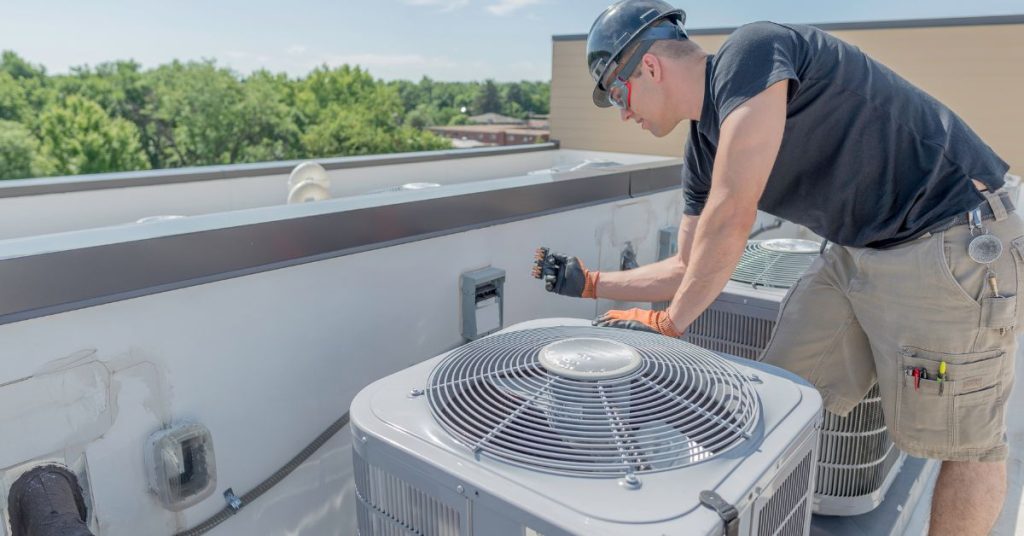
Additional Tips to Keep Your HVAC System Quiet
- Install flexible duct connectors between the air handler and metal ducts to prevent vibration transfer.
- Keep vents unblocked to allow smooth airflow. Furniture or curtains covering vents can increase pressure and noise.
- Ensure outdoor units are level—uneven placement can cause unnecessary rattling.
- Use weatherstripping around return air grilles to stop rattling noises from loose fittings.
- Schedule biannual tune-ups to keep the system in its best acoustic and functional condition.
When to Call an HVAC Professional
If your HVAC noise is persistent—such as banging, screeching, or grinding—it may indicate serious mechanical problems like a failing motor or blower wheel. These sounds often signal internal damage or misalignment that can worsen quickly if left unaddressed. Ignoring them may lead to system breakdowns, reduced efficiency, or costly repairs.
In such situations, it’s essential to call a certified technician immediately to inspect, diagnose, and repair the issue before it escalates. At HVAC Alliance Expert, our team offers comprehensive system assessments and proven noise reduction solutions, ensuring your HVAC system runs quietly and efficiently—restoring comfort and peace of mind.
Final Thoughts
A noisy HVAC system doesn’t just disturb your home—it’s often a warning sign of inefficiency or impending damage. While some sounds may be harmless, others can point to serious underlying issues that require immediate attention. Addressing these problems early with proper maintenance and upgrades can prevent costly repairs, improve energy efficiency, and restore peace to your living space.
At HVAC Alliance Expert, we specialize in diagnosing and resolving HVAC noise issues with precision and care. If your system is making unusual sounds or not performing as quietly as it should, don’t wait—contact us today for expert support and lasting solutions.
FAQs
Sudden loud noises like banging, screeching, or clanking usually indicate a mechanical issue such as a loose component, debris in the fan, or a failing motor. It’s best to shut the system off and contact a professional for inspection.
Yes, clogged air filters restrict airflow, forcing the system to work harder, which can lead to whistling or humming sounds. Replacing the filter every 30–60 days helps maintain quiet and efficient operation.
If you hear popping, banging, or loud airflow from your vents, your ducts may be uninsulated or poorly sealed. Installing duct insulation can significantly reduce these noises and improve energy efficiency.
Yes, sound blankets are specifically designed to fit around compressors without restricting airflow or affecting performance. They help reduce outdoor unit noise by up to 40% and are easy to install.
If the noise is persistent or unusual—such as grinding, screeching, or loud rattling—it could signal serious internal issues. You should call a certified technician immediately to inspect, diagnose, and repair the system before it worsens.