


Are you experiencing Lennox furnace issues that leave you in the cold? Don’t fret; you’re not alone. Lennox furnaces are known for their reliability, but like any appliance, they can encounter problems over time. In this comprehensive troubleshooting guide, we’ll explore seven common Lennox furnace problems and provide expert solutions to help you regain the warmth and comfort in your home.
Whether you’re dealing with Lennox pulse furnace problems or wondering why your Lennox furnace is not starting, we’ve got you covered. Let’s dive into the world of Lennox furnace troubleshooting and get your system back on track!
Lennox Furnaces Types

Lennox offers a wide range of furnace types to cater to various heating needs, ensuring optimal comfort and efficiency. Here are the Lennox furnace types available:
- Gas Furnaces: Lennox gas furnaces are known for their high efficiency and reliability. They come in single-stage, two-stage, and modulating models, offering precise temperature control and energy savings.
- Oil Furnaces: Lennox oil furnaces are a dependable choice for homes without access to natural gas. They provide consistent warmth even in extreme cold conditions.
- Electric Furnaces: Electric furnaces are an efficient heating option, particularly in regions with milder winters. Lennox electric furnaces offer quiet operation and reliable performance.
- Dual-Fuel Furnaces: These systems combine a heat pump with a gas or oil furnace, allowing homeowners to switch between energy sources for cost-effective heating depending on outdoor temperatures.
- Multi-Speed Furnaces: Lennox multi-speed furnaces provide flexibility in airflow, improving indoor air quality and comfort while conserving energy.
- Variable Speed Furnaces: Variable speed furnaces adjust their blower motor’s speed to match heating demands precisely, providing consistent temperatures and enhanced efficiency.
- Modulating Furnaces: These furnaces continuously adjust the heat output, minimizing temperature fluctuations and maximizing energy savings.
Importance of regular maintenance and troubleshooting
Regular maintenance and troubleshooting of your Lennox furnace are essential to prevent and address Lennox furnace problems effectively. Routine maintenance, like cleaning or replacing filters and inspecting components, ensures your furnace operates efficiently, reducing energy costs and extending its lifespan. Additionally, proactive troubleshooting can identify issues early, preventing costly breakdowns and ensuring your furnace works safely and reliably.
Neglecting maintenance and troubleshooting can reduce efficiency, increased utility bills, and potential safety hazards. By prioritizing these tasks, you can enjoy consistent comfort and peace of mind throughout the heating season while avoiding unnecessary expenses.
Read also 6 Issues with Goodman Furnaces: Troubleshooting Guide >>>
Common Issue 1: Lennox Furnace Not Turning On
Potential causes:
- Thermostat Issues: Incorrect thermostat settings, dead batteries, or a faulty thermostat can prevent the furnace from turning on.
- Electrical Problems: A blown fuse, tripped circuit breaker, or loose wiring can disrupt the electrical supply to the furnace.
- Ignition Problems: A malfunctioning pilot light or electronic ignition system may prevent the furnace from starting.
- Blocked Airflow: Dirty air filters or obstructed vents can restrict airflow and trigger safety mechanisms that shut down the furnace.
- Gas Supply Problems: Issues with the gas supply, such as a closed gas valve or a gas line problem, can stop the furnace from igniting.
- Check the thermostat settings and replace batteries if necessary.
- Inspect the circuit breaker and reset it if it’s tripped. Replace blown fuses.
- Verify that the gas supply valve is open.
- Replace dirty air filters and ensure vents are unobstructed.
- If comfortable, relight the pilot light (for older furnaces) or check the electronic ignition system.
Common Issue 2: Lennox Heating Not Working
Potential causes:
- Thermostat Problems: Incorrect thermostat settings, dead batteries, or a faulty thermostat can lead to heating issues.
- Lack of Maintenance: Poor maintenance can result in dirty air filters, clogged burners, or a malfunctioning blower, reducing heating efficiency.
- Ignition Issues: Problems with the pilot light (for older units) or the electronic ignition system can prevent the furnace from starting.
- Gas Supply Problems: A closed gas valve or gas line issues can hinder the heating system’s operation.
- Electrical Problems: Faulty wiring, a tripped circuit breaker, or a blown fuse can disrupt the electrical supply.
DIY Troubleshooting steps:
- Check the thermostat settings and replace batteries if needed.
- Inspect air filters and replace them if dirty.
- Ensure vents and registers are open and unblocked.
- Verify that the gas supply valve is open.
- Reset the circuit breaker and replace blown fuses.
- Relight the pilot light (if applicable) or check the electronic ignition system.
If these troubleshooting steps don’t resolve the issue, consider contacting a technician for repair and heating maintenance services to ensure your heating system operates safely and efficiently.
Common Issue 3: Lennox Furnace Blower Motor Not Working

Potential causes:
- Electrical Issues: Blown fuses, a tripped circuit breaker, or loose wiring can interrupt the power supply to the blower motor.
- Motor Problems: A malfunctioning or overheated blower motor may fail to turn on.
- Thermostat Malfunction: Incorrect thermostat settings or a faulty thermostat can prevent the blower motor from receiving signals to operate.
- Blocked Airflow: Obstructed air filters or blocked vents can strain the blower motor and cause it to stop working.
- Control Board Failure: A defective control board can lead to communication problems with the blower motor.
DIY Troubleshooting steps:
- Check the thermostat settings and replace batteries if needed.
- Inspect the circuit breaker and replace blown fuses.
- Ensure air filters are clean and vents are unblocked.
- Try manually spinning the blower motor (with the power off) to check for any obstructions.
If these steps don’t resolve the issue, call a certified HVAC technician for a thorough inspection and repair. Attempting to repair the blower motor without proper expertise can be dangerous and may lead to further damage.
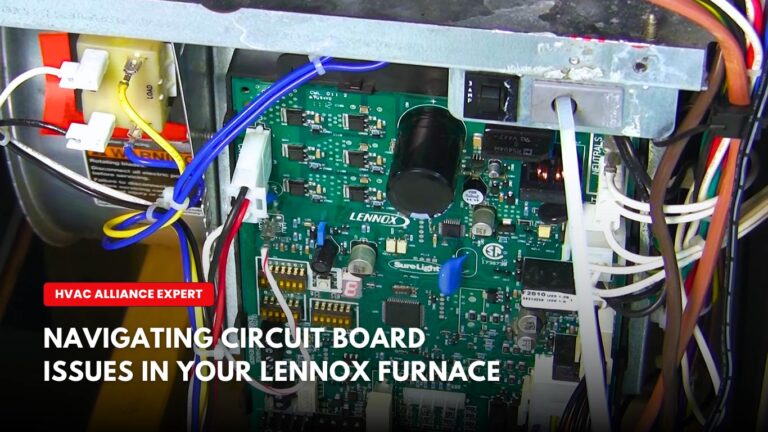
Common Issue 4: Lennox Furnace Circuit Board Problems
Potential causes:
- Electrical Faults: Power surges, loose wiring, or component failures can damage the circuit board.
- Corrosion: Moisture and condensation can cause corrosion on the circuit board, leading to malfunctions.
- Overheating: Excessive heat can damage the board’s components over time.
- Age and Wear: Circuit boards may deteriorate with age, resulting in operational problems.
DIY Troubleshooting steps:
- Check for visible signs of damage on the circuit board, such as burnt areas or loose connections. Ensure the furnace is powered off before inspection.
- Inspect and clean the board if corrosion is present using electronic contact cleaner and a soft brush.
- Reset the furnace by turning off the power for a few minutes and then turning it back on.
- Verify that the thermostat is functioning correctly and has fresh batteries.
If these steps do not resolve the issue, it’s advisable to contact an HVAC technician with experience in diagnosing and repairing Lennox furnace circuit board problems, as further diagnostics and potential board replacement may be necessary for a long-term solution.
Common Issue 5: Lennox Furnace Ignitor Problems

Potential causes:
- Ignitor Wear: Over time, the ignitor may wear out or crack, making it incapable of generating the necessary heat for ignition.
- Dirty or Corroded Ignitor: Dust and debris can accumulate on the ignitor’s surface, affecting its performance.
- Faulty Ignitor Wiring: Loose or damaged wiring can disrupt the electrical connection to the ignitor.
- Gas Supply Issues: A closed gas valve or low gas pressure can prevent the furnace from igniting.
- Ignitor Control Board Problems: Malfunctions in the control board can result in issues with the ignitor’s operation.
DIY Troubleshooting steps:
- Turn off the furnace’s power to ensure safety.
- Inspect the ignitor for signs of wear or damage. If it appears worn or cracked, it may need replacement.
- Clean the ignitor’s surface using a soft brush to remove any dirt or debris.
- Check the wiring connections to the ignitor for loose or damaged wires, ensuring they are securely connected.
- Verify that the gas supply valve is open.
If problems persist, it’s better to contact a professional HVAC technician for a thorough diagnosis and potential ignitor replacement. Safety precautions are crucial when dealing with furnace components.
Common Issue 6: Lennox Pressure Switch Problems

Potential causes:
- Blocked Vent or Exhaust: A blocked vent or exhaust pipe can create insufficient airflow, triggering the pressure switch to shut down the furnace.
- Faulty Pressure Switch: The pressure switch itself may become faulty due to wear and tear or electrical issues, causing it to malfunction.
- Condensate Line Blockage: If the condensate line is blocked, it can affect pressure within the furnace and trigger the pressure switch.
- Venting System Issues: Problems with the venting system, such as improper installation or vent pipe damage, can impact pressure readings.
DIY Troubleshooting steps:
- Safety First: Turn off the furnace and gas supply to ensure safety.
- Check Vent and Exhaust: Inspect the vent and exhaust pipes for any obstructions or debris. Remove any blockages if found.
- Inspect Pressure Switch: Carefully examine the pressure switch for signs of damage or loose wiring. Tighten any loose connections.
- Condensate Line: Ensure the condensate line is clear of any clogs or blockages.
- Venting System: Inspect the venting system for damage or improper installation. Correct any issues if identified.
If pressure switch problems persist after these DIY efforts, it’s best to call a qualified technician to diagnose and address the Lennox pressure switch issue, ensuring your furnace operates safely and efficiently.
Common Issue 7: Lennox Furnace Inducer Motor Not Working

Potential causes:
- Motor Failure: Over time, inducer motors can wear out or fail due to regular usage.
- Electrical Issues: Problems with the motor’s electrical connections, such as loose wires or a faulty capacitor, can impede its operation.
- Blocked Venting: Obstructed vent pipes or flues can cause increased resistance in the exhaust path, affecting the inducer motor’s ability to create a proper draft.
- Control Board Malfunction: A malfunctioning control board may not send the necessary signals to activate the inducer motor.
- Pressure Switch Problems: Issues with the pressure switch can prevent the inducer motor from starting.
DIY Troubleshooting steps:
- Turn off the furnace to ensure safety.
- Inspect the inducer motor for visible signs of damage or wear. If the motor appears faulty, it may require replacement.
- Check the electrical connections to the motor for loose wires or damaged components. Reconnect or replace as needed.
- Clear any obstructions in the venting system, ensuring proper airflow.
- Restart the furnace and monitor its operation.
If the issue persists, contact a professional technician from HVAC Alliance Expert for a thorough diagnosis and potential inducer motor replacement, ensuring your Lennox furnace operates efficiently and safely.
Additional Lennox Furnace Troubleshooting Tips
1) Lennox Elite Furnace Troubleshooting
- Inspect the thermostat settings and batteries.
- Ensure the furnace filter is dirt-free and that no blockages affect the airflow.
- Check the condensate drain for blockages if your model includes one.
2) Lennox Electric Furnace Troubleshooting
- Check the power source and inspect the circuit breakers.
- Look for blown fuses or circuits that have been overloaded.
- Examine heating components and replace any that show damage.
3) Lennox Oil Furnace Troubleshooting
- Ensure there is a sufficient amount of oil available.
- Inspect for blocked nozzles and replace the oil filter if needed.
- Check the ignition transformer and electrodes for proper operation.
4) Lennox Pulse Furnace Problems
- Listen for unusual pulsating sounds that might signal problems with combustion.
- Examine the flue for blockages and ensure adequate ventilation.
- Check the spark plug and flame sensor for any dirt accumulation or signs of damage.
5) Lennox Furnace G40UH Troubleshooting
- Examine the pressure switches and hoses for blockages or leaks.
- Confirm that the ignitor is operating properly.
- Ensure the blower motor is functioning and clear of any debris.
6) Lennox Furnace Ignitor Problems
- Test the resistance of the ignitor and replace if it’s out of specification.
- Clean the ignitor carefully to eliminate any buildup.
- Check the control board diagnostics for any error codes associated with ignition issues.
7) Lennox Furnace Inducer Motor Not Working
- Verify that the inducer motor is receiving power.
- Listen for unusual noises indicating motor malfunction or blockages.
- Examine the capacitor associated with the inducer motor and test for the correct electrical charge.
8) Lennox G61MPV Troubleshooting
- Check for error codes indicated by the LED lights on the control board.
- Make sure the flame sensors are clean and properly aligned.
- Assess the condition of the heat exchanger for any cracks or damages.
9) Lennox Gas Valve Troubleshooting
- Verify that the gas valve is in the open position and that the pilot light, if present, is lit.
- Perform a test on the thermocouple or flame sensor responsible for regulating the gas valve.
- Examine the gas valve solenoid for electrical continuity.
10) Lennox Pressure Switch Problems
- Use a multimeter to check if the pressure switch is functioning correctly.
- Inspect the vents and air intake for any obstructions or blockages.
- Check the condensate tubing for kinks or blockages if the pressure switch problem is associated with a condensing furnace.
11) Lennox Furnace Low Pressure Switch
- Investigate the draft inducer fan for any problems impacting the switch.
- Inspect the air filter and replace it if it’s dirty, as it can impact the air pressure.
- Examine the switch tubing for disconnections or holes.
12) Lennox Furnace Ignition Switch
- Confirm that the switch is correctly placed and secured.
- Inspect for loose or damaged wiring leading to the ignition switch.
- Look into the furnace manual for specific reset procedures after a fault.
Lennox Furnace Error Codes (Light statuses)
Lennox furnace error codes offer insights into system issues, aiding homeowners in determining if DIY fixes or professional help is needed. Below is a table of common Lennox furnace error codes, their meanings, and fixability:
| Lennox Furnace Error Code (Light Statuses) | What it Means | Can I Fix It? |
| Red and green simultaneous slow flash | Normal operation with no call for heat | No action required |
| Red and green simultaneous fast flash | Normal operation with call for heat (heating cycle) | No action required |
| Red and green alternating slow flash | System is in standby mode (waiting for a call) | No action required |
| Red and green alternating fast flash | System is in lockout mode due to a fault | Check for issues, call a technician |
| Either or both lights on, no flash | No power or control board failure | Check power supply, call a technician |
| Red slow flash and green fast flash | Pressure switch or inducer motor issue | Check for blockages, call a technician |
| Red slow flash and green on | Normal operation with call for heat (heating cycle) | No action required |
| Red slow flash and green off | System is in cool-down mode after heating cycle | No action required |
| Red fast flash and green slow flash | Flame sensor or gas valve issue | Clean or replace sensor, call a technician |
| Red on and green slow flash | Normal operation with no call for heat | No action required |
| Red off and green slow flash | System is in standby mode (waiting for a call) | No action required |
Summing Up Lennox Furnace Troubleshooting

In conclusion, maintaining and troubleshooting your Lennox furnace is vital to keep it running smoothly and efficiently. By addressing common issues and understanding your furnace’s type and error codes, you can save on costly repairs and ensure your home remains warm and comfortable during the winter months. Regular maintenance and a proactive approach to troubleshooting are key to extending the life of your Lennox furnace and enjoying consistent heating performance. Stay warm and cozy throughout the seasons with these valuable troubleshooting insights.
FAQs on Lennox Furnace Troubleshooting
Several reasons may prevent a Lennox furnace from turning on: thermostat issues, power problems, clogged filters, or a malfunctioning ignition system. Call a technician for diagnosis and repair.
Check thermostat settings, replace dirty air filters, inspect the gas supply, reset the furnace, and look for error codes. If issues persist, contact a professional technician.
Common causes of a Lennox furnace blower motor failure include:
- A faulty capacitor.
- Worn-out motor bearings.
- A burnt-out motor.
- A malfunctioning control board.
Call a technician for repairs.
To fix circuit board issues in a Lennox furnace, identify and replace any damaged components, such as relays or capacitors. If unsure, consult a technician for diagnosis and repair.
A non-working ignitor in a Lennox furnace may be due to a faulty ignitor element, loose wiring, or a defective control board. Replace the ignitor or seek professional repair assistance.
To troubleshoot pressure switch problems in a Lennox furnace, check for clogs or blockages in the flue or air intake pipes, ensure proper venting, and test the switch’s continuity or replace it if necessary.