

You are sitting in your living room and you hear it — a hissing sound coming from your air conditioner. It might be faint or it might be loud, constant or intermittent, coming from inside or outside — but one thing is certain: a hissing AC unit is not something you should ignore.
Some hissing sounds from your AC are completely harmless. Others are warning signs of a serious problem that will get worse — and more expensive — the longer you wait to address it. In this guide we will break down every common cause of a hissing AC unit, help you identify exactly what you are hearing, and tell you what to do about it right now.
Is a Hissing AC Sound Always Serious?
Not always — but it always deserves attention. The key is identifying where the hissing is coming from and what it sounds like. A brief hiss when the system shuts off is completely normal. A loud continuous hiss from your outdoor unit is not.
Work through the causes below to identify what your hissing AC is trying to tell you.
Cause 1: Refrigerant Leak (Most Serious)
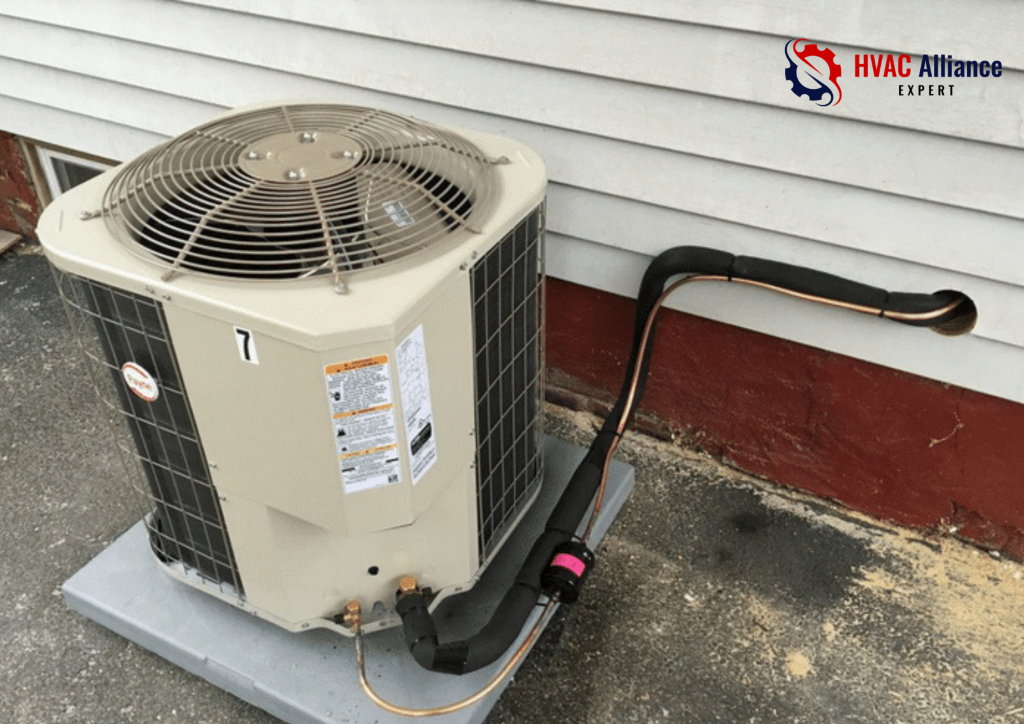
This is the most important cause to rule out first because it is the most serious. Refrigerant is the substance that makes your air conditioner cool your home. It circulates through your system under pressure — and when there is a crack or hole in the refrigerant line, it escapes as a high-pressure gas that produces a distinct hissing or bubbling sound.
What it sounds like: A steady hissing or bubbling noise coming from the indoor air handler, the refrigerant lines, or the outdoor unit. The sound may be faint or loud depending on the size of the leak.
Other signs of a refrigerant leak:
- AC runs constantly but the house is not cooling properly
- Warm or only slightly cool air from the vents
- Ice forming on the refrigerant lines or evaporator coil
- Higher than normal electricity bills
- A sweet chemical smell near the indoor unit
What to do: Turn off your AC immediately if you suspect a refrigerant leak. Running the system with low refrigerant puts enormous strain on the compressor — the most expensive component in the entire system — and continued operation can cause permanent compressor damage. This is not a DIY repair. Refrigerant handling requires EPA certification and the leak must be located and repaired by a licensed HVAC technician before the system is recharged.
Cause 2: High Internal Pressure in the Compressor
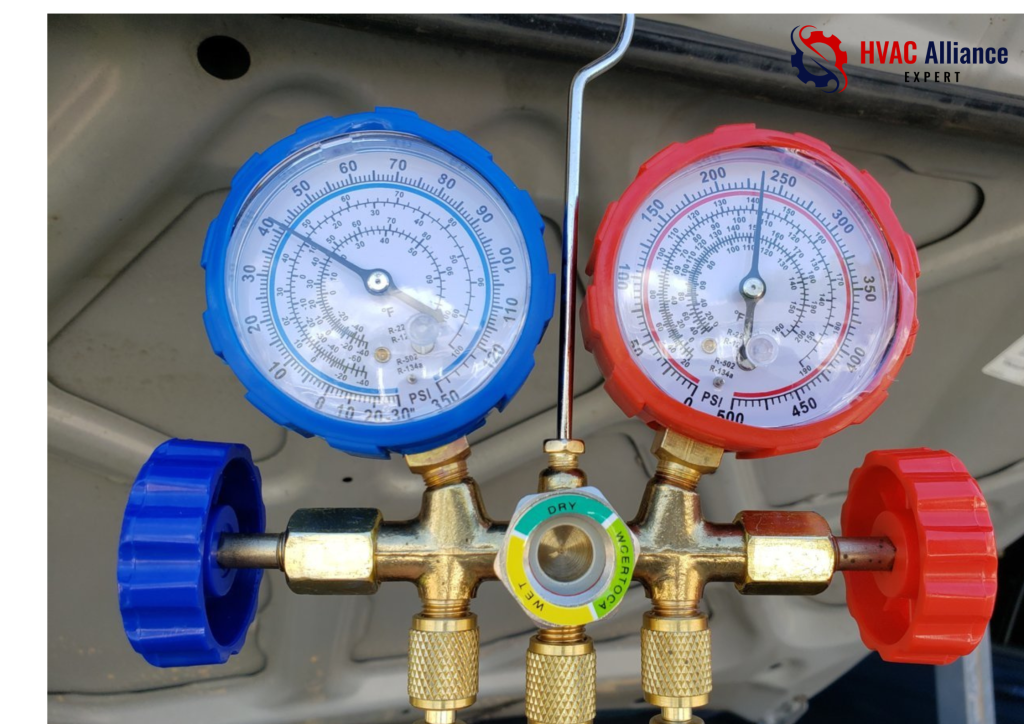
Your AC compressor is designed to operate within a specific pressure range. When internal pressure builds beyond safe limits — due to a faulty pressure valve, a blocked refrigerant line, or an overcharged system — the compressor will produce a loud hissing or screaming sound as it struggles to manage the excess pressure.
What it sounds like: A loud hissing or high-pitched squealing that comes specifically from the outdoor unit. The sound may be accompanied by the system shutting itself off — which is actually your AC’s built-in safety mechanism protecting the compressor from catastrophic failure.
What to do: If your outdoor unit is making a loud hissing or screaming sound, turn the system off at the thermostat and the circuit breaker immediately. Do not restart it. High compressor pressure can cause the unit to fail completely if the system keeps running. This requires professional diagnosis and repair.
Cause 3: Air Duct Leaks
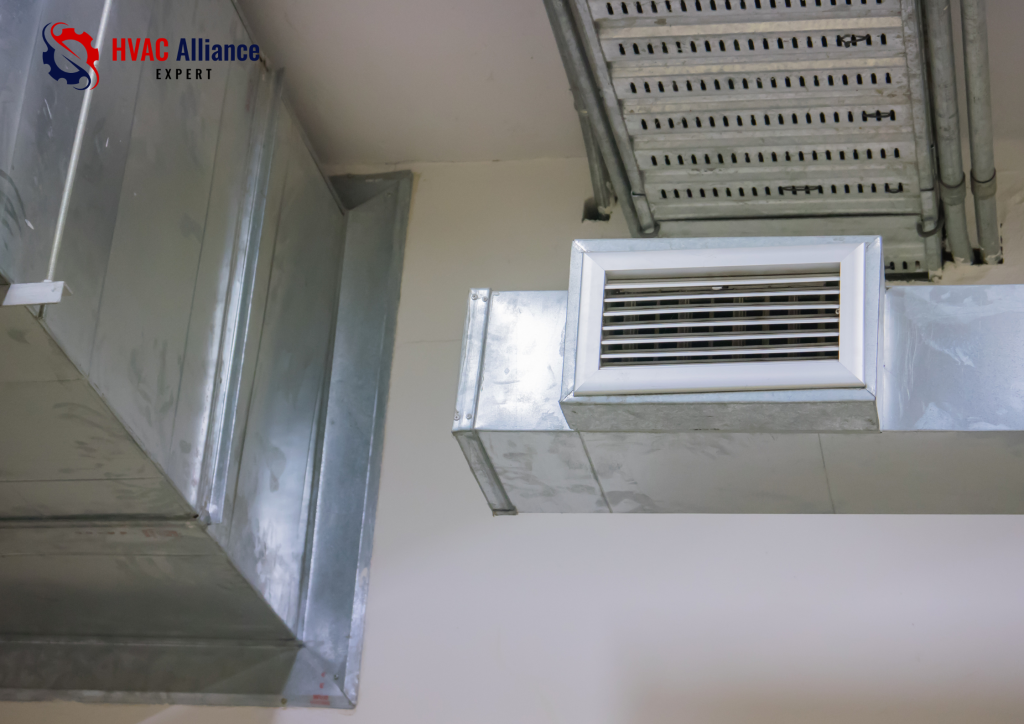
Not all hissing from an AC system points to a refrigerant or mechanical problem. A very common and far less serious cause is leaking air ducts. When conditioned air escapes through gaps, cracks, or loose connections in your ductwork, it produces a hissing or whooshing sound that can be heard near vents, in the attic, or in walls where ducts run.
What it sounds like: A hissing or rushing air sound that comes specifically from vents, registers, or the areas around ductwork — not from the indoor or outdoor unit itself. The sound is typically present whenever the system is running and stops when it turns off.
Other signs of duct leaks:
- Some rooms not cooling as well as others
- Higher than normal energy bills
- Excessive dust throughout the home
- Rooms feeling stuffy despite the AC running
What to do:
- Feel around your vent covers and registers for air escaping from the edges rather than flowing through the vent opening.
- Check any exposed ductwork in your attic, basement, or crawl space for visible gaps, holes, or disconnected sections.
- For exposed ductwork, use metal HVAC tape — not regular duct tape — to seal visible gaps and loose connections.
- For hidden ductwork with significant leaks, professional duct sealing using mastic sealant or Aeroseal is the most effective long-term solution.
Cause 4: Dirty or Clogged Air Filter
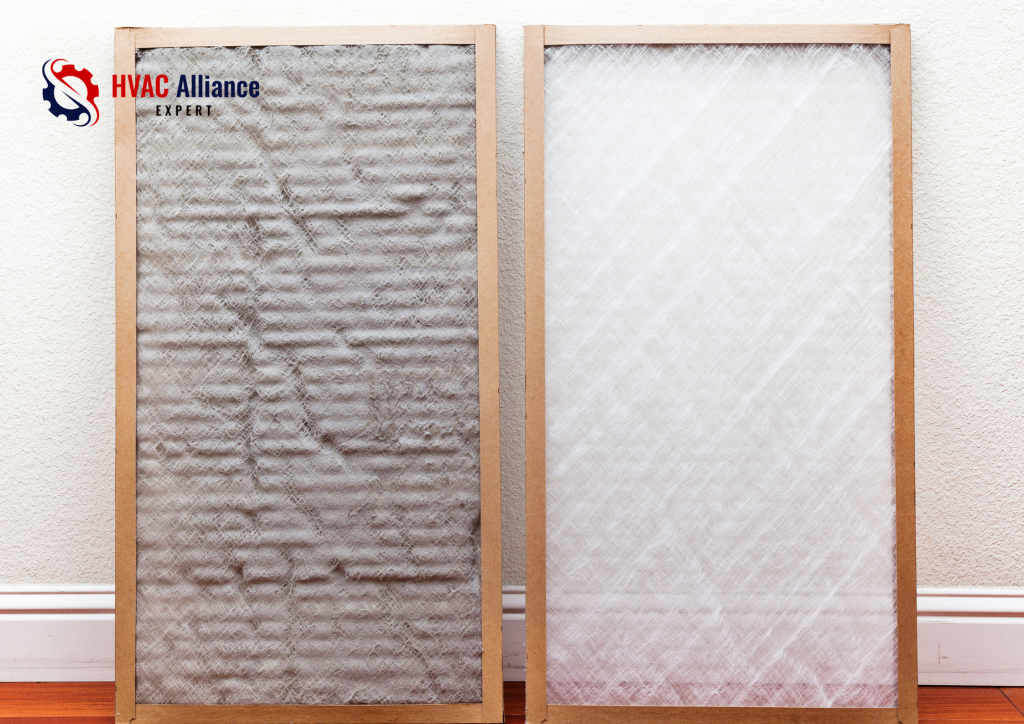
A severely clogged air filter restricts airflow so dramatically that air is forced through whatever small gaps it can find — producing a hissing or whistling sound as it squeezes past the blockage. This is one of the most common and easiest-to-fix causes of hissing sounds from an AC system.
What it sounds like: A hissing or whistling that seems to come from the return air vent or the air handler. The sound is present whenever the system is running.
What to do:
- Locate your air filter — usually in the return air vent or inside the air handler.
- Pull it out and inspect it. If it is visibly dirty or clogged hold it up to a light — if you cannot see light through it, it needs to be replaced immediately.
- Replace with a new filter of the same size and MERV rating.
- Turn the system back on and listen — if the hissing was caused by the filter the sound should stop immediately.
This fix costs $5 to $30 and takes less than five minutes. Change your filter every 1 to 3 months to prevent this from recurring.
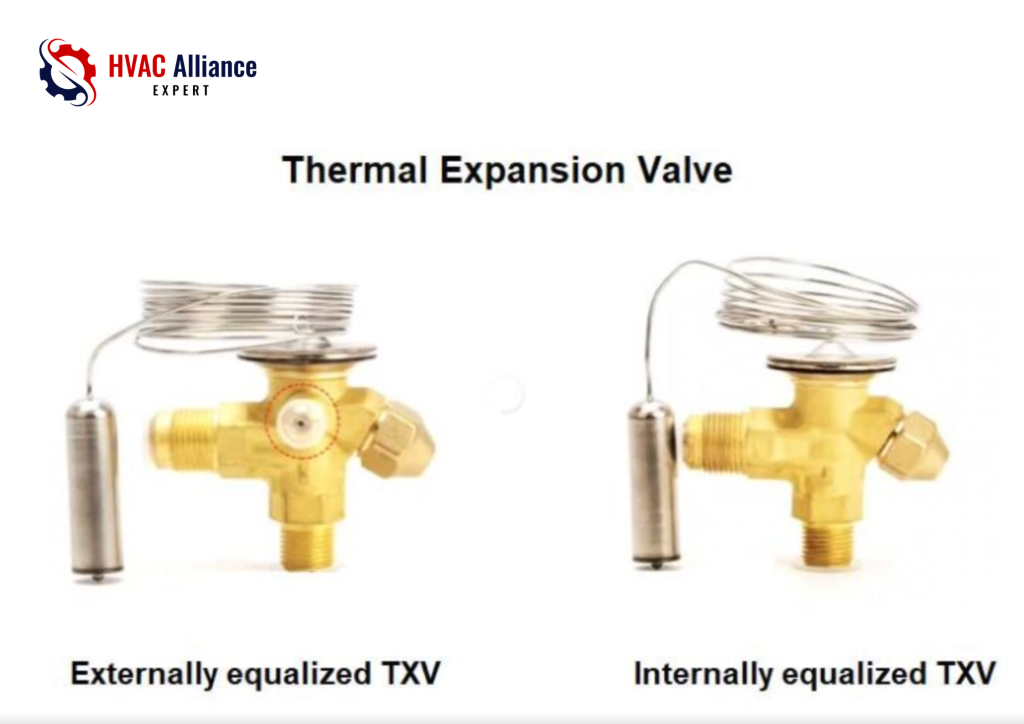
Cause 5: Expansion Valve Issues
Your AC system has a component called the expansion valve or TXV — thermostatic expansion valve — that controls the flow of refrigerant into the evaporator coil. When this valve malfunctions or gets stuck it can produce a hissing sound as refrigerant flows through it abnormally.
What it sounds like: A hissing coming from inside the air handler or near the evaporator coil — inside your home rather than outside.
Other signs of an expansion valve problem:
- Inconsistent cooling — rooms cycling between too cold and not cold enough
- Ice forming on the evaporator coil
- AC running in short cycles
What to do: An expansion valve issue requires professional diagnosis. The symptoms overlap with refrigerant leak symptoms so a technician will need to test refrigerant pressure and inspect the valve to confirm the cause.
Cause 6: Normal Pressure Equalization — The Harmless Hiss
Not every hissing AC sound is a cause for alarm. Many homeowners notice a brief hissing sound when their AC shuts off — typically lasting just a few seconds. This is the sound of refrigerant pressure equalizing between the high-pressure and low-pressure sides of the system when the compressor stops. It is completely normal and requires no action.
What it sounds like: A short hiss lasting 2 to 5 seconds immediately after the system shuts off. It stops on its own and does not recur while the system is off.
What to do: Nothing — this is normal operation. If the hissing continues for longer than 30 seconds after shutdown or recurs while the system is off, it may indicate a more serious pressure issue that needs professional attention.
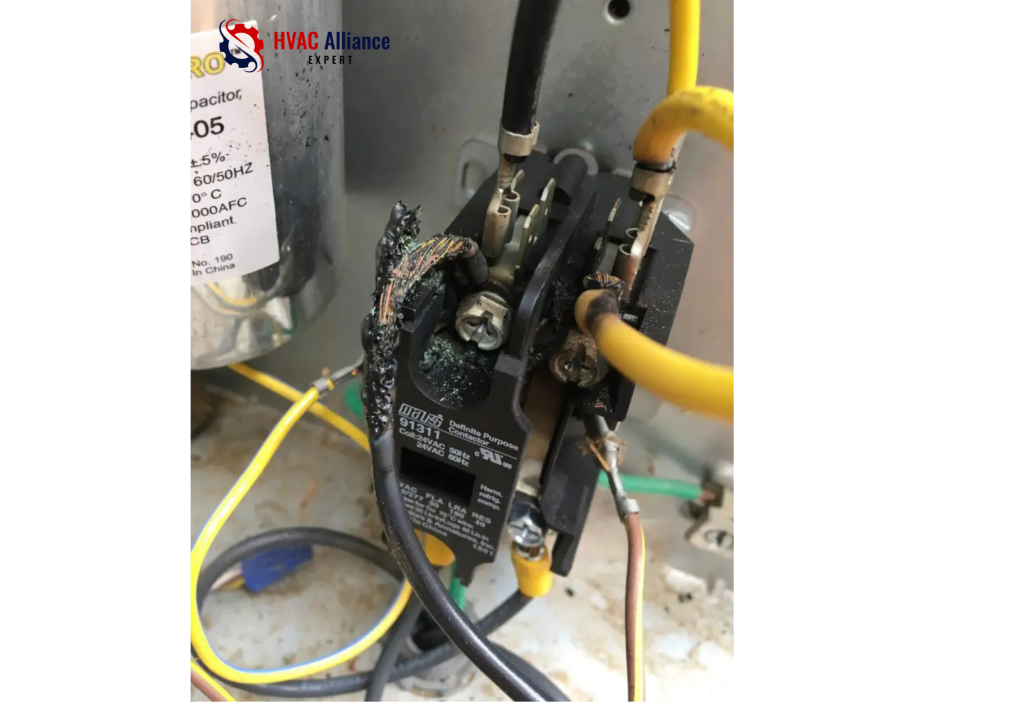
Cause 7: Loose or Damaged Contractor or Electrical Components
Electrical components inside your AC — including the contactor, capacitor, and relay switches — can sometimes produce hissing, buzzing, or crackling sounds when they begin to fail. These sounds are often confused with refrigerant hissing but they originate from the electrical compartment of the unit rather than the refrigerant lines.
What it sounds like: A hissing or buzzing that comes from the electrical compartment of the outdoor unit — usually near the access panel. The sound may be accompanied by flickering, intermittent operation, or the unit failing to start consistently.
What to do: Turn the system off and do not attempt to access the electrical compartment yourself — capacitors store a dangerous electrical charge even when the system is off. This requires a licensed HVAC technician to safely inspect and replace the faulty component.
How to Identify Where Your Hissing Is Coming From
Use this guide to narrow down the source:
- Hissing from the outdoor unit — loud and continuous: Refrigerant leak or high compressor pressure — turn off the system and call a professional immediately
- Hissing from the outdoor unit — brief after shutdown: Normal pressure equalization — no action needed
- Hissing from the indoor air handler: Refrigerant leak, expansion valve issue, or dirty air filter — check the filter first
- Hissing from vents or walls: Air duct leak — inspect accessible ductwork and seal gaps
- Hissing or buzzing from the outdoor electrical compartment: Failing electrical component — turn off the system and call a professional
What Never to Do When Your AC Is Hissing
- Never ignore a loud continuous hiss from the outdoor unit — this is almost always a serious problem
- Never keep running the system if you suspect a refrigerant leak — compressor damage from low refrigerant is extremely expensive to repair
- Never open the electrical compartment of the outdoor unit — capacitors hold lethal voltage even when the system is off
- Never try to add refrigerant yourself — it requires EPA certification and adding refrigerant without fixing the leak just delays the inevitable
How to Prevent Your AC From Blowing Warm Air
Most AC warm air problems are preventable with regular maintenance:
- Change the air filter every 1 to 3 months during cooling season
- Schedule annual AC maintenance before summer — a professional tune-up catches problems before they leave you sweating
- Keep the outdoor unit clean and clear of debris year round
- Never close more than 20% of your vents — closed vents restrict airflow and cause coil freezing
- Check your thermostat batteries — a dying battery can cause erratic thermostat behavior
- Have refrigerant levels checked during your annual tune-up to catch slow leaks early
FAQs
It depends on the cause. A brief hiss after shutdown is safe and normal. A continuous loud hiss from the outdoor unit or the refrigerant lines is not safe — turn the system off immediately and call a professional. Running a system with a refrigerant leak or high compressor pressure can cause permanent and expensive damage.
The cost depends on the location and severity of the leak. Refrigerant leak detection and repair typically ranges from $200 to $1,500 depending on accessibility. Refrigerant recharge adds another $100 to $400 depending on the type and amount of refrigerant needed.
A brief 2 to 5 second hiss when the AC shuts off is completely normal — it is the sound of refrigerant pressure equalizing between the high and low pressure sides of the system. No action is needed unless the hissing continues for an extended period after shutdown.
Yes. A severely clogged filter forces air through restricted passages which creates a hissing or whistling sound at the return vent or air handler. Replacing the filter usually stops the noise immediately.
The most common signs are a hissing sound from the refrigerant lines or outdoor unit, warm air from the vents despite the system running, ice on the refrigerant lines, and higher energy bills with reduced cooling. An HVAC technician can confirm a leak using pressure testing and leak detection equipment.