

Table of Contents
Pollen buildup in HVAC can trigger sneezing, congestion, and itchy eyes by circulating allergens indoors, worsening allergy symptoms and lowering air quality, especially during high pollen seasons.
Key Takeaways:
- Pollen buildup in HVAC worsens allergy symptoms.
- Reduces indoor air quality.
- Regular filter changes minimize allergen spread.
- Professional cleaning improves system efficiency and comfort.
Indoor air quality plays a crucial role in maintaining a healthy home environment, especially for individuals who suffer from seasonal or chronic allergies. According to the EPA’s guide on Indoor Air Quality, maintaining clean air indoors can significantly reduce allergens and respiratory issues. One of the most overlooked culprits contributing to allergy flare-ups inside homes is pollen circulating through HVAC systems. Pollen grains, carried indoors through windows, doors, and even clothing, often find their way into heating, ventilation, and air conditioning units, where they are redistributed throughout living spaces. Understanding how pollen affects your allergies and what steps can be taken to minimize exposure is essential for long-term relief and healthier living.
Why Pollen Is a Major Indoor Allergen
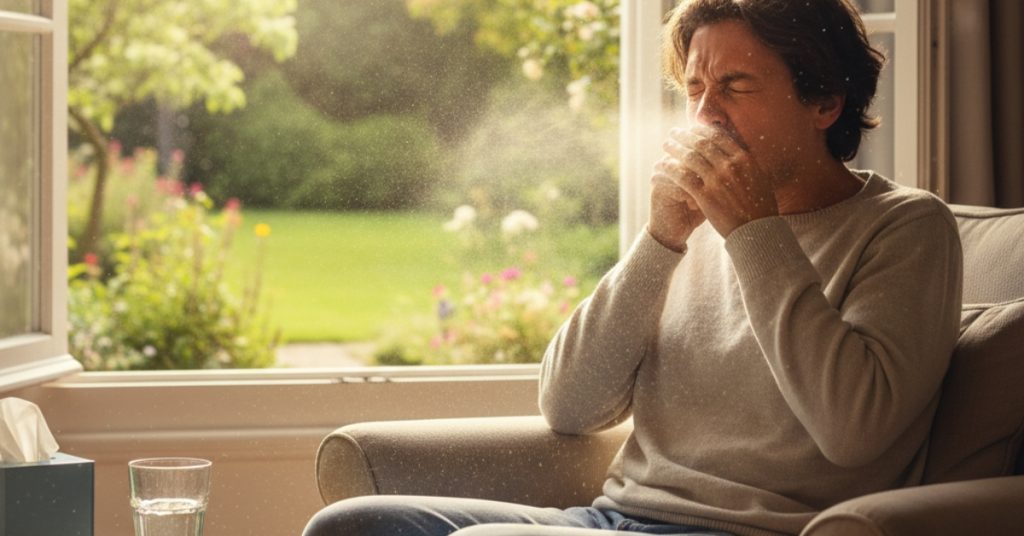
Pollen is a fine powder released by plants during their reproductive cycle. While pollen plays a vital role in nature, it becomes problematic when inhaled. For allergy sufferers, the immune system identifies pollen as a harmful substance, triggering an overreaction that leads to symptoms like:
- Sneezing
- Runny or congested nose
- Watery, itchy eyes
- Throat irritation
- Asthma flare-ups
When pollen infiltrates your HVAC system, it doesn’t just affect one room—it circulates throughout your entire home, increasing overall exposure and making symptoms worse.
How Pollen Enters Your HVAC System
Your HVAC system is designed to move air efficiently, but unfortunately, this includes allergens like pollen. There are several common entry points where pollen makes its way into the system:
- Open Windows and Doors – Even a short period of ventilation can introduce large amounts of pollen.
- Clothing and Shoes – Pollen clings to fabrics and is easily transferred indoors.
- Air Leaks in Ductwork – Gaps or cracks in ducts allow outdoor air—and pollen—to seep inside.
- Poor Filtration Systems – Older or low-quality filters fail to trap fine particles like pollen effectively.
- Outdoor Air Intakes – Many HVAC systems draw in fresh air from outside, which can carry pollen directly into the system if not properly filtered.
Once inside, pollen particles circulate repeatedly, making the HVAC system both a carrier and amplifier of allergens.
The Connection Between Pollen and Allergy Symptoms Indoors
Allergy sufferers often assume that staying indoors during high pollen seasons is the best defense. However, if your HVAC system is contaminated, the opposite may occur. Indoor pollen levels can sometimes be higher than outdoor levels, especially when filters are clogged or ducts are dirty.
This creates a continuous cycle of exposure:
- Pollen enters your HVAC.
- Air circulation spreads it to every room.
- Allergic reactions intensify over time.
For those with asthma, this cycle can worsen respiratory conditions, increasing the frequency and severity of attacks.
The Role of HVAC Filters in Controlling Pollen
One of the most critical defenses against pollen in your HVAC system is the filter. Not all filters are equal, and choosing the right one can significantly reduce allergen circulation.
- Basic Fiberglass Filters – These are inexpensive but only trap large particles like dust and lint. They are ineffective against pollen.
- Pleated Filters – With more surface area, pleated filters capture smaller particles, including some pollen.
- HEPA Filters – High-Efficiency Particulate Air filters can trap up to 99.97% of particles as small as 0.3 microns, making them highly effective against pollen.
- Electrostatic Filters – These use static electricity to capture airborne particles, offering additional protection against allergens.
Regularly replacing or cleaning filters—usually every 1 to 3 months—ensures optimal performance and minimizes pollen buildup.
Ductwork and Pollen Accumulation
Over time, pollen can settle inside your HVAC ducts, mixing with dust, pet dander, and other debris. This buildup not only traps allergens but also allows them to recirculate throughout your home, worsening indoor air quality. For allergy sufferers, this can lead to persistent symptoms despite regular cleaning elsewhere in the house.
Regular duct cleaning services are essential for removing this hidden buildup. By eliminating layers of pollen and debris, these services help reduce allergen circulation, improve system airflow, and enhance overall energy efficiency for a healthier, more comfortable home environment.
The Impact of Humidity on Pollen in HVAC Systems
Humidity levels play a significant role in how pollen behaves indoors.
- High Humidity – Excess moisture causes pollen particles to clump together, sticking to surfaces and promoting mold growth, which further triggers allergies.
- Low Humidity – Dry air keeps pollen particles airborne longer, increasing the chances of inhalation.
Maintaining indoor humidity between 30% and 50% with a humidifier or dehumidifier helps control pollen and improve respiratory health. The NIEHS explains the health effects of humidity and mold and how controlling moisture can improve indoor air quality.
Signs Your HVAC System Is Circulating Pollen
If you suspect your allergies are worse indoors, your HVAC system may be the culprit. Watch for these warning signs:
- Increased allergy symptoms when indoors
- Visible dust or particles around air vents
- Musty odors coming from the HVAC system
- Reduced airflow due to clogged filters
- Frequent sneezing or coughing near air registers
These indicators suggest pollen and other allergens are actively circulating inside your home.
Steps to Minimize Pollen in Your HVAC System
Managing pollen indoors requires proactive steps to keep your HVAC system clean and efficient. Consider these strategies:
- Upgrade Your Filters – Install HEPA or electrostatic filters to capture fine pollen particles and improve indoor air quality.
- Schedule Regular HVAC Maintenance – Have your HVAC system professionally serviced to ensure it runs clean, efficiently, and allergen-free year-round.
- Seal Air Leaks – Properly sealed ductwork prevents outdoor pollen from entering and circulating through your indoor air system.
- Install Air Purifiers – Whole-house air purifiers work with HVAC systems to trap pollen, dust, and other airborne allergens.
- Control Humidity Levels – Use humidifiers or dehumidifiers to maintain ideal indoor humidity between 30% and 50% for allergen control.
- Keep Windows Closed During High Pollen Seasons – Limit outdoor pollen entry by keeping windows and doors shut, especially during peak pollen hours.
- Vacuum and Clean Regularly – Routine vacuuming and dusting reduce pollen buildup and lower what’s pulled into the HVAC system.
By following these steps, you can significantly lower pollen levels in your home and experience fewer allergy symptoms.
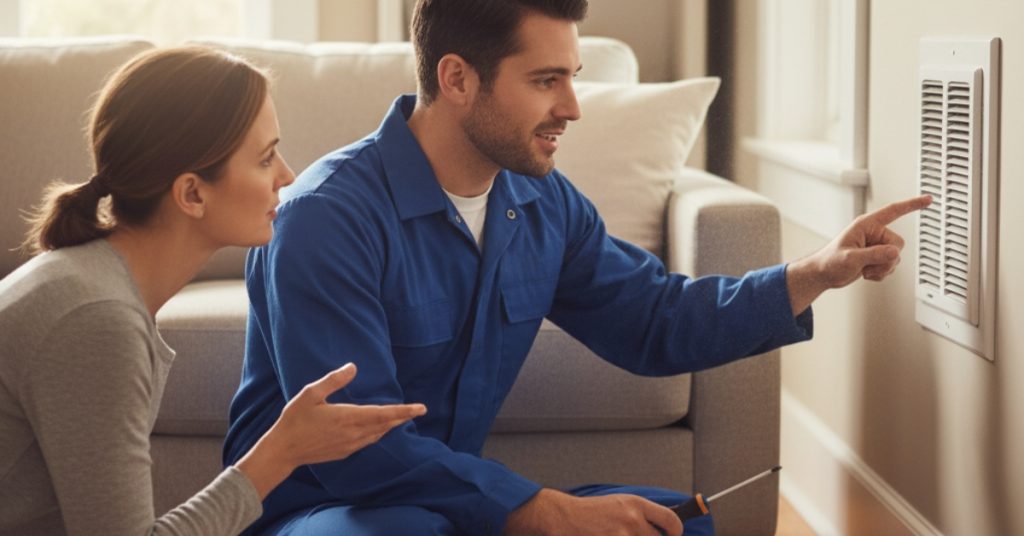
Professional HVAC Services and Allergy Relief
While DIY maintenance helps, professional HVAC services provide the most effective long-term solution for controlling pollen. Certified technicians can:
- Replace and upgrade filters
- Deep clean ductwork
- Inspect for leaks and seal ducts
- Install advanced air purification systems
- Calibrate humidity controls
These measures not only reduce pollen exposure but also improve overall system performance, leading to cleaner, healthier air for your household.
Who to Call for Professional HVAC Services & Air Duct Cleaning
When it comes to reliable HVAC maintenance and reducing allergens in HVAC systems, turn to the professionals at HVAC Alliance Experts. Our experienced technicians specialize in thorough air duct and dryer vent cleaning, filter upgrades, and complete system checks to ensure your indoor air stays clean and allergy-free.
Whether you’re struggling with seasonal allergies or simply want better air quality, HVAC Alliance Experts offers peace of mind with trusted service. Don’t wait until symptoms worsen—call the experts who know how to protect your home and your health.
Conclusion: Protecting Your Home from Pollen Allergies
Pollen in your HVAC system is more than just an inconvenience—it can significantly impact your health and comfort by triggering allergy symptoms and lowering indoor air quality. Taking proactive steps like upgrading filters, maintaining your system, and controlling humidity can make a noticeable difference in reducing pollen exposure indoors.
By partnering with professionals from HVAC Alliance Experts and staying vigilant, you can transform your home into a cleaner, healthier space. Prioritize your indoor air quality to breathe easier and enjoy allergy relief all year round. Your well-being starts with the air you breathe.
FAQs
For optimal pollen control, it’s best to change or clean HVAC filters every 1 to 3 months. More frequent changes may be necessary during high pollen seasons or if you have pets.
Yes, HVAC systems circulate air continuously, so pollen trapped inside can spread to every room, worsening allergy symptoms. Proper filtration and maintenance are key to minimizing this spread.
Absolutely. Professional duct cleaning removes accumulated pollen, dust, and other allergens that regular cleaning might miss, improving indoor air quality and reducing allergy triggers.
HEPA filters are the most effective, capturing up to 99.97% of particles as small as 0.3 microns, including pollen. Electrostatic and pleated filters also offer good protection but aren’t as thorough as HEPA.
High humidity causes pollen to clump and stick to surfaces, which can promote mold growth, while low humidity keeps pollen airborne longer, increasing inhalation risk. Maintaining indoor humidity between 30% and 50% helps control pollen and allergens.