

If you’ve been scrolling through home improvement content lately, you’ve probably seen the ads — sleek, glowing thermostat screens promising to slash your energy bills and practically run your home for you. But as HVAC professionals who install and service these systems every day, we get one question more than almost any other: “Is a smart thermostat actually worth the money?”
The honest answer? For most homeowners, yes — but not for the reasons the marketing might lead you to believe. Let’s break it down.
What Exactly Is a Smart Thermostat?
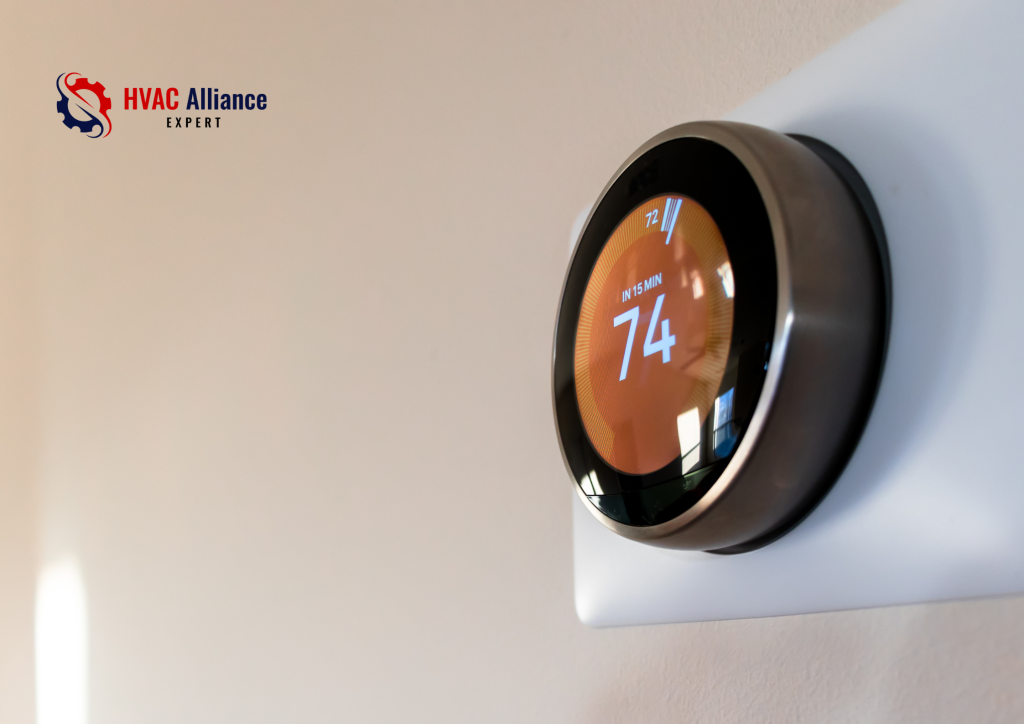
A smart thermostat is a Wi-Fi-connected device that gives you the ability to control your home’s temperature remotely via a smartphone app. But that’s just the baseline. Many models also include learning technology, which tracks your schedule and adjusts temperatures automatically to maximize comfort and efficiency.
In short, it’s a thermostat that does the thinking for you — and in 2026, that technology has gotten very good.
The Real Numbers on Energy Savings
Let’s start with what most homeowners care about most: money.
According to the U.S. EPA, switching to an ENERGY STAR certified smart thermostat can save 10–23% on heating and cooling costs annually — and premium learning models push that ceiling even higher. Companies like Ecobee claim their customers saved up to $284 per year on heating and cooling costs by using smart features.
That said, your actual savings depend heavily on your current habits. If you’re one of the few who are already extremely diligent about monitoring and using a standard thermostat, you might not see huge savings from switching to a smart model. But the reality is most people aren’t that disciplined — and that’s exactly where smart thermostats shine.
Research estimates that about 40 to 70 percent of programmable thermostat users don’t take advantage of scheduling features. A smart thermostat removes that barrier entirely.
What Smart Thermostats Do Really Well
Beyond the savings, here’s where these devices genuinely deliver:
Remote Control Forgot to turn off the AC before a trip? No problem. You can set temperatures and schedules remotely — perfect for taking care of your pets while you’re at work or preventing your pipes from freezing while you’re on vacation.
Learning Your Schedule Many Wi-Fi-connected thermostats learn your schedule and preferences, even knowing when you’re home, and automatically adjust the temperature setting based on your needs — often conserving energy and saving money on energy bills.
HVAC Filter Reminders Many models remind you to replace your HVAC filter, usually every three months — a simple thing that most homeowners forget and that directly affects the lifespan of your entire system.
Energy Reports Smart thermostats offer energy tracking that lets you view real-time data on your energy use. Knowing exactly when and why your system is running hard is something even seasoned homeowners rarely have visibility into.
The Honest Downsides
We promised an honest take, so here it is:
Upfront Cost While the thermostat itself ranges from $100 to $300, installation can add another $100 to $200 if professional installation is required. That’s a real number, and it means your payback period could be 1–3 years depending on your usage.
Wi-Fi Dependency Smart thermostats rely on internet connectivity for remote access and automation. If your Wi-Fi goes down, some features may not work.
Compatibility Issues Not every HVAC system plays nicely with every smart thermostat. Older systems, heat pumps, multi-stage units, and homes without a C-wire can all create complications. Most modern smart thermostats require a C-wire for continuous power, and older homes with analog thermostats may not have one. This is one reason we always recommend having a professional assess compatibility before you buy.
Top Smart Thermostats in 2026
If you’ve decided to make the upgrade, here are the models we most commonly recommend to our customers:
Google Nest Learning Thermostat (4th Gen) — Best Overall At $279.99, it auto-learns your schedule within a week, works without a C-wire in most homes, is Matter compatible for future-proof integration, and comes bundled with a Nest Temperature Sensor.
Ecobee Smart Thermostat Premium — Best for Multi-Room Homes The Ecobee Smart Thermostat Premium earned the highest consensus score across 21 expert sources for its room sensors, built-in Alexa, and broadest ecosystem compatibility. It’s the one we recommend most for larger homes with uneven heating or cooling.
Amazon Smart Thermostat — Best Budget Option For homeowners who want smart features without the premium price tag, the Amazon Smart Thermostat at $79 delivers surprising performance at a third of the price.
So, Is It Worth It?
Here’s our professional verdict: yes, for most homes.
If you have an older programmable thermostat that rarely gets updated, a busy lifestyle, or you simply want better visibility into your energy costs — a smart thermostat will pay for itself. With rising energy prices, installing a smart thermostat is one of the easiest ways to save money while maintaining a comfortable home.
If you already have a well-programmed thermostat and consistent daily routines, the savings will be smaller — but the convenience and remote access alone are worth it for most people.
One final tip: utility rebates of $25–$100 are available for ENERGY STAR certified models in many regions, and several manufacturers now actively facilitate rebate claims post-purchase — so check with your local utility before buying. The real cost might be lower than you think.
Have questions about whether your HVAC system is compatible with a smart thermostat? Contact our team — we’ll give you a straight answer before you spend a dime.
FAQs
Most homeowners save between 8–23% on annual heating and cooling costs. The exact amount depends on your home size, climate, current thermostat habits, and HVAC system. Homes replacing rarely-programmed older thermostats tend to see the biggest gains.
Most modern smart thermostats work best with a C-wire, but many 2026 models — including the Google Nest 4th Gen — can work without one through power-stealing technology or included adapters. A licensed HVAC technician can check your wiring before purchase.
Many models are designed for DIY installation, but compatibility issues, wiring errors, and HVAC system variations can cause problems. Professional installation ensures it’s done correctly and protects your warranty.
The Ecobee Smart Thermostat Premium is the top choice here. Its room sensor system measures temperature where you actually live, not just at the thermostat location in a hallway.