

Table of Contents
If you’re wondering why are my air vents so loud, common causes include dirty filters, closed vents, undersized ducts, high static pressure, or a failing blower motor—all of which disrupt airflow and create noise.
Key Takeaways:
- Dirty or clogged air filters can increase noise.
- Closed or blocked vents restrict airflow.
- Undersized or poorly designed ductwork amplifies sound.
- Excessive static pressure may cause whistling or banging.
- A faulty blower motor can produce grinding or humming noises.
Loud air vents can be more than just an annoyance—they may signal underlying issues in your HVAC system that require immediate attention. If you’re tired of the rattling, whistling, or banging coming from your vents, you’re not alone. Below, we break down the most common causes of loud air vents, how to identify them, and what you can do to fix them.
1. Undersized or Blocked Ductwork: The #1 Noise Culprit
Duct size plays a critical role in airflow efficiency. When ducts are too small for the volume of air being pushed through them, the pressure builds up, forcing air through tight spaces and creating a loud whooshing or whistling sound.
Signs of undersized or blocked ducts include:
- Constant high-pitched whistling
- Reduced airflow in certain rooms
- Overheating or overcooling in zones
- Increased energy bills due to inefficient circulation
Clogs, dirt, and debris in the ductwork can further narrow the passage, amplifying noise and causing HVAC strain. Regular duct cleaning and inspection are crucial. For detailed guidance on when and how to clean your ducts, the EPA explains when air duct cleaning is necessary.
2. High Static Pressure in the HVAC System
Static pressure is the resistance air encounters as it moves through your HVAC system. If this pressure is too high, it forces your system to work harder, creating loud airflow sounds at the vent registers.
Common causes of high static pressure include:
- Dirty air filters
- Poorly designed duct systems
- Closed or blocked air vents
- Wrong blower motor speed settings
- Undersized or overly restrictive return air ducts
- Buildup of dust and debris inside the ductwork
- Improperly installed or restrictive aftermarket air purifiers or filters
A qualified technician can test and adjust static pressure using specialized tools, ensuring optimal system performance. To learn more about improving HVAC efficiency and energy savings, check out the U.S. Department of Energy’s guide on air conditioning.
3. Dirty or Clogged Air Filters
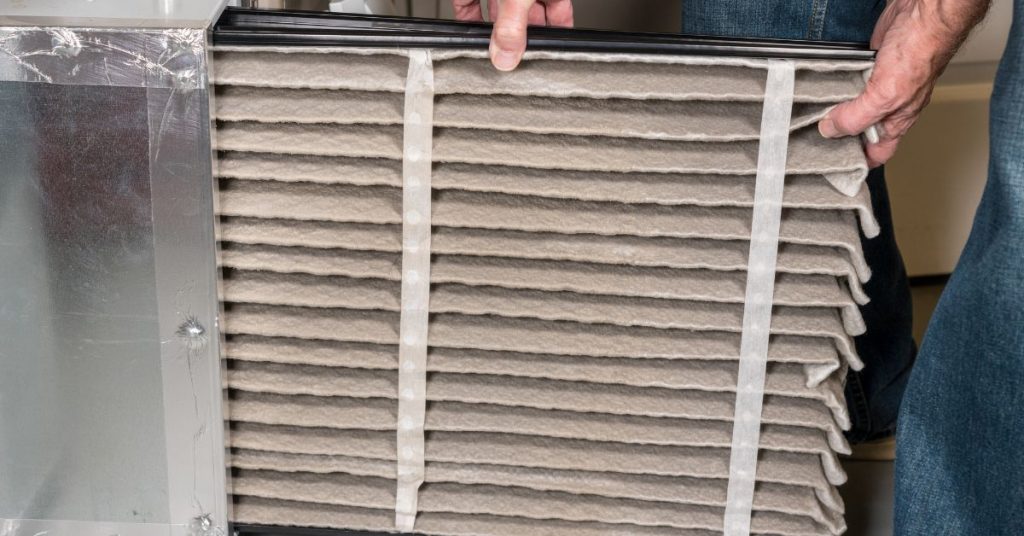
One of the most overlooked yet easily fixable sources of loud air vents is a dirty air filter. When an air filter becomes clogged with dust, dirt, pet hair, and other debris, it restricts airflow and forces your HVAC system to work harder. This extra strain can cause whistling, groaning, or rumbling sounds from your vents while also reducing overall efficiency. Restricted airflow not only makes your system noisy but can also lead to higher energy bills and poor indoor air quality.
Maintenance Tip:
Replace or clean your HVAC filter every 1-3 months, depending on usage and household conditions (e.g., pets, allergies). For more on indoor air quality and proper HVAC filter care, see the EPA’s guidance on improving indoor air quality.
4. Closed or Blocked Supply and Return Vents
Closing off air vents in unused rooms to “save energy” may seem smart, but it often backfires. When supply or return vents are blocked or closed, your HVAC system experiences restricted airflow, which increases air pressure and forces the system to work harder. This extra strain can cause loud whistling, banging, or rattling noises from the ducts and vents. In addition, it can reduce comfort, strain equipment, and even raise energy bills instead of lowering them.
Best Practice:
Keep at least 80% of vents open to maintain balanced airflow. Avoid placing furniture or rugs over floor vents.
5. Loose or Poorly Secured Ductwork
Ducts that are improperly fastened or have come loose over time can vibrate, rattle, or bang as air flows through. This common issue is often caused by metal-on-metal contact, shifting due to temperature fluctuations, or a lack of proper insulation around the ductwork. Besides creating annoying noises, loose ducts can also lead to air leaks, reduced efficiency, and uneven heating or cooling in your home.
Fixes Include:
- Securing ducts with proper fasteners and hangers
- Wrapping noisy sections with acoustic insulation
- Sealing leaks with mastic sealant or foil-backed tape
6. Ductwork Expansion and Contraction
As your HVAC system heats or cools, the metal ducts expand and contract, producing popping or banging sounds. This occurs because temperature changes cause the metal to slightly change shape, especially if the ducts are thin or loosely installed. While these noises are typically harmless, they can be disruptive and indicate minor installation issues.
Preventative Measures:
- Use flexible duct connectors to absorb expansion
- Insulate ducts to minimize temperature variation
- Ensure ducts are properly supported to reduce movement
7. Improperly Sized HVAC System
If your HVAC system is too powerful (oversized) or too weak (undersized) for your home, it can cycle on and off too frequently or run continuously, both of which increase system strain and noise levels.
Oversized Systems May:
- Blow air too forcefully, creating wind tunnel effects at vents
- Short-cycle, leading to loud start-up and shutdown noises
Undersized Systems May:
- Struggle to meet temperature demands
- Run excessively loud due to being overworked
A Manual J load calculation by an HVAC professional can determine the correct system size for your home.
8. Malfunctioning Blower Motor or Fan
The blower motor or fan assembly inside your air handler is responsible for pushing air through the ductwork. When this component becomes unbalanced, clogged with dust, or begins to wear out, it can create loud grinding, humming, or rattling noises that travel through the vents. These sounds often indicate mechanical issues that can reduce your HVAC system’s efficiency and overall lifespan if left unaddressed.
Warning Signs:
- Inconsistent airflow
- Unusual motor sounds
- Dust buildup near vents
Regular servicing and timely replacement can keep your system quiet and efficient.
9. Air Leaks in Ductwork
When there are cracks, gaps, or holes in your ductwork, air escaping under pressure can cause loud hissing or whistling noises. These leaks not only create irritating sounds but also significantly reduce your HVAC system’s efficiency—potentially wasting up to 30% of your heated or cooled air. Leaky ducts force your system to work harder, increasing energy bills and reducing comfort levels in your home.
Detection & Repair:
- Use smoke pencils or thermal imaging cameras to identify hidden leaks
- Seal small leaks with UL-rated foil tape or duct mastic
- Hire professionals for thorough duct inspection and sealing
10. Noisy Vent Grilles and Registers
Sometimes the noise is not from the ductwork itself, but the vent covers or registers. These components can produce rattling, vibrating, or whistling sounds if they are loose, poorly aligned, or designed in a way that disrupts airflow. Even minor movement or gaps can amplify sound as air passes through, making the noise seem louder than it actually is. Fortunately, these issues are usually easy to fix and don’t require major repairs.
Solutions:
- Tighten screws and secure the grille to the wall or floor
- Upgrade to sound-dampening or aerodynamic grilles
- Use foam padding around edges to reduce vibration
11. Poor System Installation or Design
Improper HVAC installation is a silent contributor to noisy systems. When ductwork is poorly designed with sharp bends, excessive elbows, or insufficient return vents, airflow becomes turbulent, leading to rattling, whistling, or booming sounds. These design flaws not only create unwanted noise but also place extra strain on the system, reducing its efficiency and lifespan. One of the most overlooked air vent noise causes is improper installation, which can affect comfort and energy use over time.
To avoid these problems, always hire licensed HVAC professionals who follow proper installation guidelines, industry best practices, and local building codes. A well-planned system ensures balanced airflow, minimal noise, and improved performance. Investing in quality installation from the start helps maintain long-term comfort while preventing costly adjustments or repairs later.
12. Age and Wear of HVAC System Components
As HVAC systems age, components begin to wear out or lose efficiency, making them more prone to loud operation. Motors hum louder, ducts loosen, and fans collect dust or warp.
When to Upgrade:
- System is over 15 years old
- Frequent repairs or noise complaints
- Declining efficiency and comfort
- Rising energy bills despite regular maintenance
- Inconsistent temperatures or poor airflow throughout the home
- Outdated technology lacking modern energy-saving or smart features
Newer HVAC models often include variable-speed motors and noise-dampening features that dramatically reduce operational noise.
When to Call an HVAC Professional
While some issues can be resolved with routine maintenance, others—like duct redesign, static pressure adjustments, or motor replacements—require expert intervention.
Contact a professional if:
- The noise is sudden or getting worse
- You hear banging, grinding, or squealing
- Your system is underperforming despite filter changes
- There’s a burning smell or signs of overheating
- You notice inconsistent temperatures across rooms
- Airflow is weak or barely coming from the vents
- Energy bills have spiked without increased usage
- You’ve sealed leaks or cleaned filters but noise persists
Who to Call for HVAC Services and Duct Repairs
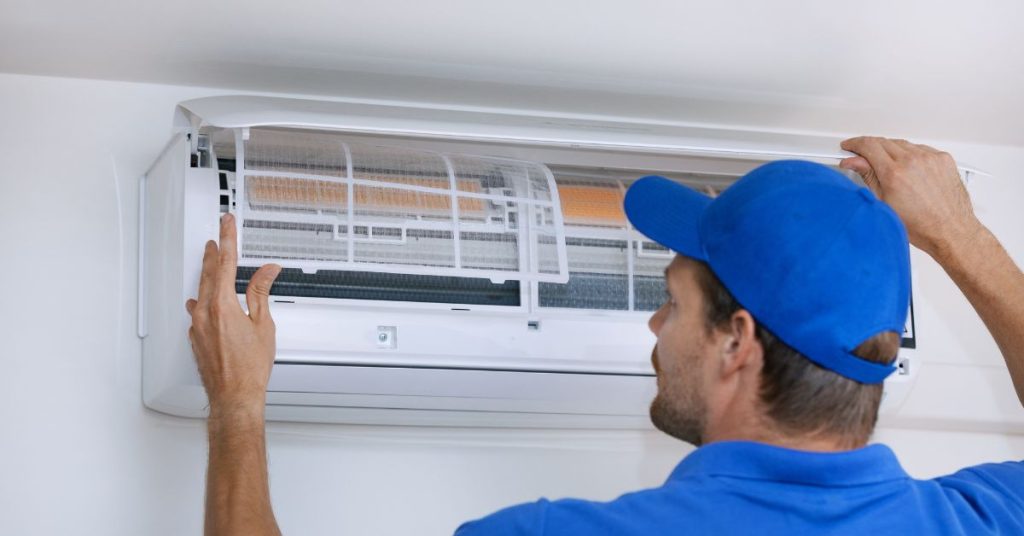
If your HVAC system is making more noise than it should, it’s time to bring in a professional. A qualified HVAC technician for noisy vents can accurately diagnose the issue, whether it’s high static pressure, loose ductwork, or a failing blower motor. Don’t wait for the noise to get worse—prompt inspection and maintenance can prevent costly breakdowns and improve your system’s overall efficiency.
For trusted service, turn to HVAC Alliance Expert. Whether you need air conditioning repair, full system diagnostics, or air duct cleaning, our experienced team has you covered. With prompt response times and a reputation for quality, we’re your go-to local HVAC service solution for restoring quiet, comfort, and performance to your home.
Conclusion: Silence Your Air Vents with Proactive Maintenance
Noisy air vents aren’t just an annoyance—they’re often a sign your HVAC system needs attention. Whether it’s a dirty filter, undersized ducts, or high static pressure, understanding the root cause is the first step toward restoring comfort and quiet. Regular maintenance, prompt repairs, and proper system design can make a dramatic difference in both noise levels and energy efficiency.
If you’re hearing a persistent banging noise in air vents or any other disruptive sounds, don’t ignore it. A professional inspection from HVAC Alliance Expert can identify the issue early, helping you avoid costly repairs down the line and ensuring your home stays peaceful year-round.
FAQs
Sudden loud noises from vents can signal a clogged filter, loose ductwork, or a mechanical issue like a failing blower motor. If the sound is new or worsening, it’s best to have a professional inspect your system immediately.
Yes, a clogged filter restricts airflow, increasing pressure and forcing air through narrow spaces, which can cause whistling or groaning noises. Replacing the filter every 1–3 months can help prevent this issue.
Closing vents may seem energy-efficient, but it can actually increase system pressure and lead to loud banging or whistling sounds. It can also strain your HVAC system and reduce overall comfort.
High static pressure often causes a loud whooshing, hissing, or whistling sound as air is forced through the ducts. It’s usually due to restricted airflow from dirty filters, closed vents, or poor duct design.
If your vents make persistent banging, grinding, or whistling sounds—or your system struggles to heat or cool effectively—it’s time to call a pro. Sudden noise changes, weak airflow, or rising energy bills are also warning signs.