

Table of Contents
HVAC energy efficiency loss over time occurs as systems age, leading to higher utility bills, frequent repairs, and reduced comfort, making timely upgrades and regular maintenance essential.
Key Takeaways:
- Aging units lose efficiency
- Higher energy bills result
- Regular maintenance slows efficiency decline
- Upgrades restore comfort and savings
Maintaining an efficient HVAC system is crucial for comfort, health, and energy savings. Yet, as your HVAC ages, it naturally becomes less effective, driving up energy bills and reducing indoor comfort. Let’s dive into the detailed reasons why your old HVAC continues to lose efficiency year after year, and what steps you can take to mitigate the problem.
Understanding How HVAC Systems Age
HVAC systems naturally degrade over time due to the constant operation of mechanical and electrical components. Motors, fans, and belts experience wear, while dust and debris accumulate inside the system. This buildup can block airflow, strain the motor, and reduce overall performance. Additionally, refrigerant lines may develop leaks or lose pressure, further affecting efficiency.
As the system ages, it must work harder to maintain comfortable temperatures. This increased workload results in higher energy use, reduced HVAC energy efficiency, and more frequent repairs or maintenance needs.
The Impact of Dust, Dirt, and Debris
One of the biggest culprits behind a failing HVAC system is dirt buildup. Filters, coils, and ducts all collect dust, pet dander, pollen, and other debris. As buildup increases:
- Airflow becomes restricted.
- Coils lose their ability to absorb and release heat.
- Motors strain to compensate for airflow issues.
- Indoor air quality declines, potentially triggering allergies or respiratory issues.
- System components wear out faster due to increased operating stress.
This not only reduces system performance but also increases energy consumption, meaning your old HVAC costs more to run every year.
Refrigerant Decline and Leaks
Refrigerant plays a crucial role in the heat exchange process, allowing your HVAC system to cool air effectively. Over time, aging systems are more prone to refrigerant leaks due to worn seals, corroded coils, or loose connections. Even small leaks can significantly impact cooling performance, causing the system to run longer and work harder.
Additionally, many older HVAC units use refrigerants like R-22, which are no longer produced due to environmental regulations. Recharging these systems becomes expensive and inefficient, accelerating HVAC energy efficiency loss over time.
Mechanical Wear on Components
The longer your system runs, the more its mechanical parts wear down. Key issues include:
- Compressor wear: The compressor is the heart of your HVAC. As it weakens, cooling cycles become longer and less effective.
- Fan and blower damage: Dust and constant use reduce performance, leading to weaker airflow.
- Motor degradation: Motors lose efficiency, consume more power, and contribute to rising utility bills.
Each year of wear adds to the decline, making your HVAC less capable of keeping your home comfortable.
Ductwork Deterioration
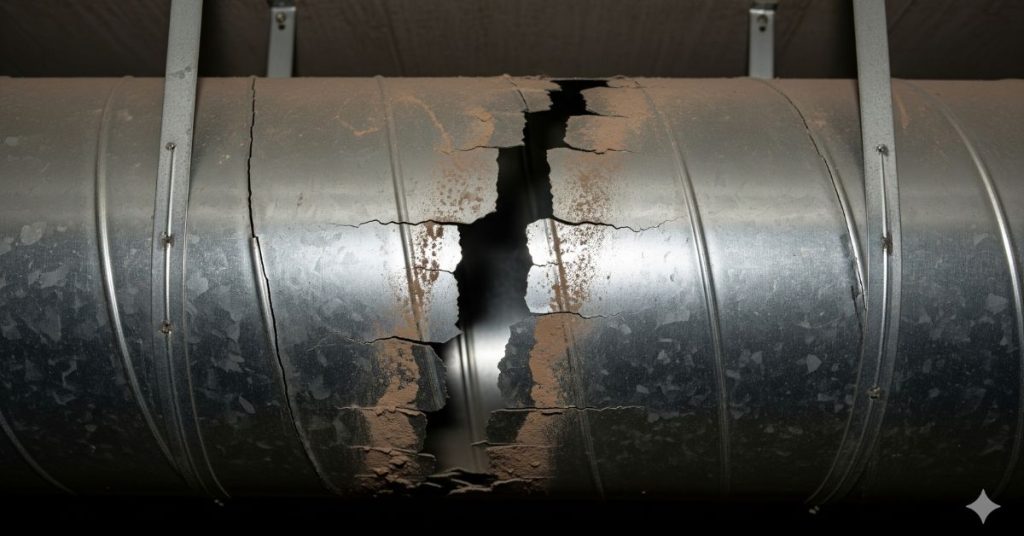
Even if your HVAC unit is in working order, the duct system may be the hidden reason behind inefficiency. As ductwork ages, it can develop leaks, cracks, and disconnections that let conditioned air escape into walls or unconditioned spaces. Poor insulation further worsens the problem, causing significant energy loss and making it harder to maintain consistent indoor temperatures.
Older duct systems are often overlooked during maintenance, yet they can waste up to 30% of the air your system produces. Regular inspections and timely air duct cleaning help detect issues early, restore airflow, and improve overall HVAC efficiency.
Obsolete Technology and Outdated Design
Technology evolves rapidly, and HVAC systems are no exception. A unit installed 10 or 15 years ago lacks the energy-saving innovations available today, such as variable-speed motors, smart thermostats, and high-efficiency compressors. These features allow newer systems to adjust performance based on demand, reducing energy use and improving indoor comfort.
Older systems were built to meet less efficient energy standards of their time. Even if they still work, they consume more electricity than modern ENERGY STAR®-rated units, leading to higher operating costs and a larger environmental impact. Learn more about efficient upgrades at ENERGY STAR’s Heating & Cooling Guide.
Increased Energy Consumption Over Time
Each year, your old HVAC requires more energy to deliver the same performance. According to the U.S. Department of Energy, heating and cooling account for nearly 50% of household energy use. As your system ages, components wear down, airflow becomes restricted, and internal parts lose efficiency, forcing the unit to work harder.
This gradual decline often shows up in rising utility bills. What once was a reliable system becomes a costly one, signaling it’s no longer operating at peak efficiency and may need repair or replacement.
Poor Indoor Air Quality
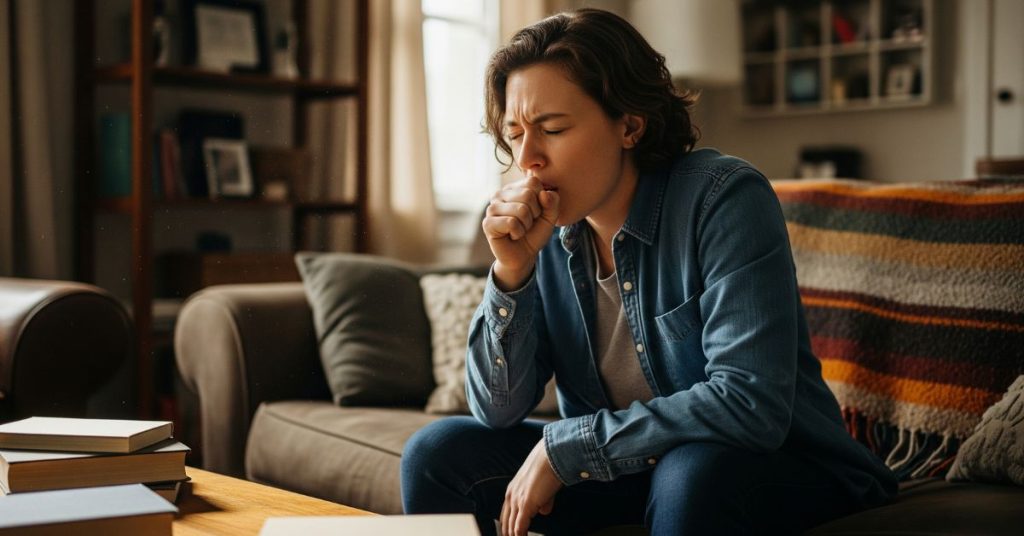
An aging HVAC system not only impacts energy use but also contributes to declining indoor air quality. Over time, worn-out filters, leaky ducts, and poor airflow efficiency allow dust, allergens, and even mold spores to spread throughout your home. This can be especially harmful to families dealing with asthma, allergies, or other respiratory issues, as it worsens symptoms and reduces overall comfort.
According to the U.S. Environmental Protection Agency (EPA), poor indoor air quality can contribute to a wide range of health problems, including asthma and other respiratory illnesses.
Beyond the financial burden of higher energy bills, poor air quality can affect your family’s well-being. To minimize these risks, it’s essential to follow some easy ways to improve indoor air quality naturally, alongside regular HVAC maintenance and timely upgrades.
Signs Your HVAC Is Losing Efficiency
Recognizing the warning signs can help you address issues before they escalate. Look for:
- Rising energy bills despite unchanged usage.
- Uneven temperatures throughout the home.
- Excessive dust or poor air quality indoors.
- Longer or more frequent system cycles.
- Strange noises or odors during operation.
- Increased humidity or poor moisture control.
- Frequent need for repairs or maintenance.
If you notice these symptoms, it’s likely that your old HVAC is reaching the end of its efficiency lifespan.
Maintenance Can Slow the Decline
While no HVAC system lasts forever, regular HVAC maintenance can significantly slow the decline in efficiency. This includes:
- Annual professional inspections.
- Filter replacements every 1–3 months.
- Coil cleaning to improve heat exchange.
- Duct sealing and insulation improvements.
- Checking and refilling refrigerant levels.
- Cleaning and lubricating moving parts.
- Calibrating thermostats for accurate temperature control.
By staying proactive, you extend the life of your unit while minimizing energy waste.
When to Replace Your Old HVAC
Most HVAC systems last between 10 to 15 years. Beyond this range, repairs become more frequent, parts are harder to find, and efficiency drops sharply. Investing in a modern, energy-efficient system may cost more upfront, but it pays for itself through lower utility bills, better comfort, and fewer repair costs.
Modern systems often include:
- Smart thermostat compatibility.
- Two-stage or variable-speed motors.
- Advanced filtration for cleaner air.
- Up to 20 SEER ratings for superior efficiency.
If your system is over a decade old and showing signs of inefficiency, replacement is the smarter, more economical choice.
Your Go-To Experts for HVAC Services and Air Duct Cleaning
When it comes to HVAC maintenance, installation, or upgrades, trusting a reputable local HVAC service company is essential for safety and efficiency. HVAC Alliance Expert offers comprehensive HVAC services, including air duct and dryer vent cleaning, which helps prevent fire hazards caused by dirty air ducts and improves indoor air quality.
Whether you need routine maintenance, system upgrades, or professional installation, HVAC Alliance Expert ensures your home stays comfortable and safe. Act today—check our promotions and secure long-term savings while boosting your HVAC’s performance!
Final Thoughts
Every year, your old HVAC becomes less efficient due to mechanical wear, dirt buildup, refrigerant issues, outdated technology, and duct deterioration. These issues don’t just increase your energy bills but also reduce indoor comfort and air quality, making your system work harder while giving you less in return. Even with regular maintenance, the natural aging process can’t be stopped forever.
Upgrading to a modern, energy-efficient system offers long-term savings, consistent comfort, and healthier indoor air. For expert guidance, reliable installation, and routine care, contact us today to maximize your HVAC’s performance and efficiency.
FAQs
Most HVAC systems last between 10 to 15 years with proper maintenance. After this period, performance and efficiency usually decline significantly.
As your system ages, dust buildup, worn parts, and refrigerant leaks cause it to work harder. This leads to increased energy use and higher utility bills over time.
Yes, routine maintenance like filter changes, coil cleaning, and duct sealing can slow efficiency loss. However, it can’t completely reverse the effects of aging.
Watch for rising energy bills, uneven temperatures, longer cycles, and increased indoor dust. These signs often indicate your system is no longer running efficiently.
If your system is over 10 years old and showing signs of inefficiency or frequent repairs, replacement is likely the better option. New systems offer improved comfort, air quality, and energy savings.