

Spring brings warmer temperatures, increased humidity, and unfortunately, the perfect environment for mold growth inside your HVAC system. As seasonal changes impact airflow and moisture levels, many homeowners begin to notice mold in HVAC system symptoms that can compromise comfort, health, and system efficiency.
At HVAC Alliance Expert, we recognize how critical it is to identify these warning signs early and take immediate action before the problem escalates.
1. Persistent Musty Odors Coming from Vents
One of the earliest and most noticeable signs of mold is a lingering, unpleasant smell circulating throughout your home. This cooling system odor often becomes more intense when your air conditioner or heater is running.
Mold thrives in damp, dark environments such as air ducts, evaporator coils, and drip pans. When spores begin to grow, they release gases that produce a musty or earthy scent. If you notice:
- A smell that worsens when the system turns on
- Odors concentrated near vents
- A scent that doesn’t disappear with cleaning
It is likely that mold has already developed within your system. Ignoring this issue allows spores to spread, worsening indoor conditions.
2. Visible Mold Around Vents and Ductwork
Visible mold growth is a clear indication that your HVAC system requires immediate attention. You may see black, green, or white patches forming around vents, inside ducts, or on surrounding surfaces.
This is often linked to ventilation fungal growth, which occurs when moisture accumulates in poorly ventilated areas. Condensation from temperature differences creates the ideal breeding ground for mold colonies.
Key areas to inspect include:
- Air vents and grilles
- Duct joints and seams
- Around HVAC units and insulation
Once visible mold appears, it usually signals a deeper issue within the system, requiring professional HVAC mold detection to assess the full extent of contamination.
3. Increased Allergy or Respiratory Issues Indoors
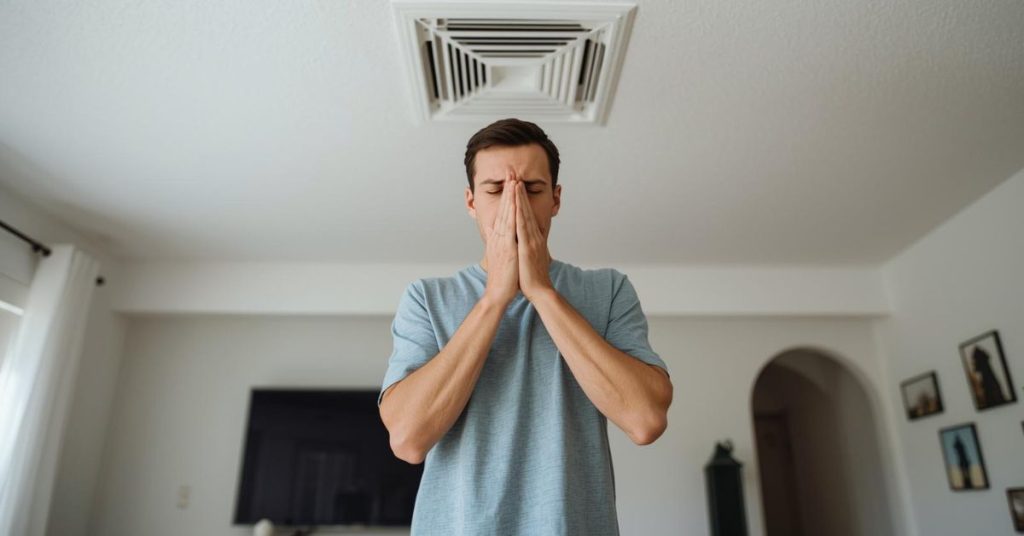
If household members begin experiencing unexplained health symptoms, your HVAC system could be the hidden culprit. Mold spores circulating through the air can trigger a range of health concerns, including:
- Sneezing and nasal congestion
- Persistent coughing or throat irritation
- Skin rashes or eye irritation
- Worsening asthma symptoms
These issues are often linked to indoor air pollution, which significantly increases when mold is present in the system. Poor air quality affects not only comfort but also long-term health, especially for children, seniors, and individuals with respiratory conditions.
When symptoms improve outside the home but worsen indoors, it strongly suggests contamination within your HVAC system.
4. Excess Moisture or Condensation Around HVAC Components
Moisture is the primary driver of mold growth. If your HVAC system is producing excessive condensation or has areas that remain damp, mold can quickly develop and spread.
Common moisture-related issues include:
- Water pooling around the unit
- Dripping or clogged condensate drain lines
- Damp insulation or ductwork
- High indoor humidity levels
These conditions contribute to air duct contamination, where mold spores attach to dust particles and circulate throughout your home. Over time, this not only impacts air quality but also reduces system efficiency.
Addressing moisture problems promptly is essential to prevent mold from taking hold.
5. Reduced Airflow and System Efficiency
A mold-infested HVAC system often struggles to perform efficiently. As mold accumulates within ducts and components, it restricts airflow and forces the system to work harder.
Signs of reduced performance include:
- Weak airflow from vents
- Uneven cooling or heating
- Higher energy bills
- Frequent system cycling
When mold builds up, it can clog filters and coat internal parts, leading to decreased efficiency. Regular HVAC maintenance services help prevent these issues by ensuring all components remain clean and functional.
Why Immediate Action Is Critical
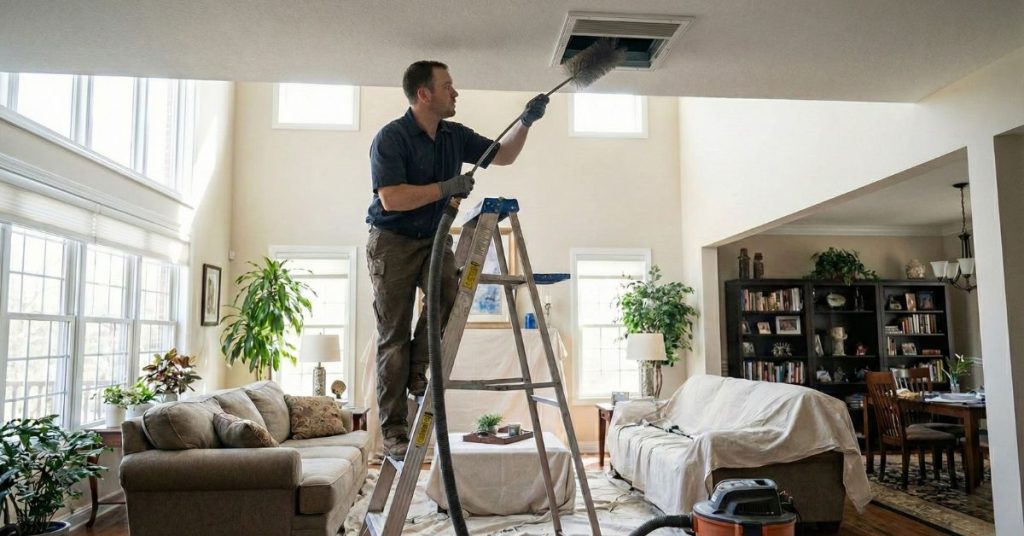
Ignoring mold in your HVAC system can lead to serious consequences, including structural damage, health risks, and costly repairs. Taking swift action to remove mold from HVAC system components ensures that your home remains safe and comfortable.
Professional solutions often include:
- Comprehensive inspection and testing
- Deep air duct cleaning to eliminate spores
- Moisture control and system adjustments
- Sanitization of affected components
These steps not only eliminate existing mold but also prevent future growth.
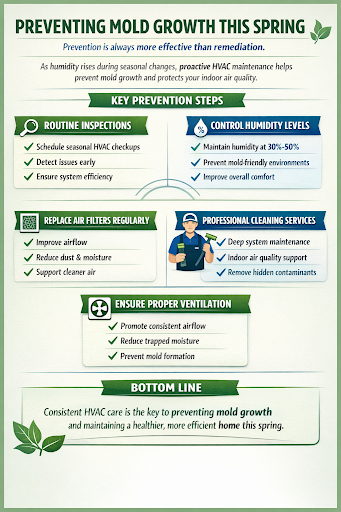
Preventing Mold Growth This Spring
Stay ahead of mold this spring by following these simple yet effective HVAC maintenance practices designed to keep your system clean, efficient, and moisture-free.
The Role of Professional HVAC Services
At HVAC Alliance Expert, we provide comprehensive solutions tailored to your home’s needs. Our team specializes in:
- Advanced air conditioning services to optimize system performance
- Thorough inspections to detect hidden mold issues
- Preventative strategies through residential HVAC services spring maintenance plans
By combining expertise with advanced tools, we ensure that your HVAC system remains clean, efficient, and safe throughout the year.
Final Thoughts
Mold in your HVAC system is not just a minor inconvenience—it is a serious issue that affects both your home and your health. Recognizing the warning signs early allows you to take immediate action and prevent long-term damage.
From musty odors and visible mold to health symptoms and reduced efficiency, each sign points to the need for professional attention. With proper care, regular maintenance, and expert support from HVAC Alliance Expert, you can maintain a clean, efficient, and mold-free HVAC system this spring and beyond.
Don’t let mold take over your comfort—book now with HVAC Alliance Expert and breathe cleaner, healthier air today!
FAQs
Mold grows in HVAC systems due to excess moisture, poor ventilation, and accumulated dust or debris. Warm temperatures and high humidity in spring create ideal conditions for mold spores to thrive.
Yes, mold spores circulating through your air can trigger allergies, asthma, and respiratory irritation. Symptoms often worsen indoors and improve when you are outside the home.
A persistent musty odor coming from vents is one of the most common hidden signs of mold. You may also notice increased allergy symptoms or uneven airflow even if mold is not visible.
Small surface mold may sometimes be cleaned, but HVAC systems are complex and mold can spread deep into ducts and components. Professional cleaning is recommended to ensure complete removal and prevent recurrence.
Regular maintenance, humidity control, and timely filter changes are key to preventing mold growth. Scheduling professional HVAC inspections also helps keep the system clean and moisture-free year-round.