

Table of Contents
Boosting HVAC efficiency starts with clean ducts. When airflow is unobstructed, your system works less and performs better. That’s how clean air ducts improve HVAC efficiency, helping reduce energy use and extend equipment lifespan.
Key Takeaways:
- Clean ducts enhance airflow
- Lower energy consumption
- Improved HVAC performance and longevity
Maintaining a high-performing HVAC system begins with a proactive approach to air duct cleanliness. As dust, allergens, contaminants, and debris accumulate within ductwork, overall system performance declines. We understand the importance of creating a healthier indoor environment while maximizing energy efficiency, and clean air ducts play a crucial role in achieving both. With a well-planned cleaning regimen, you can significantly improve airflow, reduce energy bills, and extend the lifespan of your HVAC components.
What Clean Air Ducts Mean for HVAC Efficiency
When ducts become clogged with dust or pet dander, your HVAC system must work harder to push conditioned air throughout your home or commercial space. This increased workload not only strains the equipment but also escalates energy consumption. Clean air ducts ensure a smooth and unrestricted airflow, enabling your heating and cooling equipment to operate at peak performance levels.
A well-maintained duct system can prevent sudden temperature fluctuations, improve indoor air quality, and eliminate issues like uneven heating or cooling. By reducing the amount of debris circulating, your HVAC unit functions more effectively and consumes less energy, further highlighting the value of reliable HVAC services in keeping your system running efficiently.
How Dirty Air Ducts Impact System Performance
Over time, pollutants accumulate inside ducts, creating a layer of grime that restricts air movement. This buildup of contaminants leads to:
- Reduced airflow, making rooms harder to heat or cool
- Higher energy costs as the system compensates for blockages
- Increased mechanical wear on fans, coils, and motors
- Poor indoor air quality caused by recirculating dust and allergens
- Frequent HVAC repairs due to added pressure on components
As these issues compound, system efficiency plummets. Clean air ducts act as a foundation for maintaining consistent HVAC performance year-round.
The Connection Between Air Duct Cleanliness and Indoor Air Quality
Dirty ducts become a breeding ground for allergens, mold spores, bacteria, and other harmful contaminants. Every time your HVAC system runs, these particles are distributed throughout your indoor environment. This can aggravate asthma, trigger allergies, and create an unhealthy space.
By prioritizing air duct cleaning, we help ensure that your indoor air remains fresh, safe, and breathable. Clean ducts also reduce exposure to odors from pets, smoke, or moisture buildup, contributing to a more comfortable living environment. For more information on maintaining healthy indoor air, you can refer to the EPA’s guide on indoor air quality.
Why HVAC Systems Work Harder with Dirty Ducts
Your HVAC unit depends on efficient airflow to function correctly. When dust and debris accumulate in ducts, the blower motor must exert more force to move air. This leads to:
- Higher energy consumption
- Increased strain on the system
- Premature component failure
- Frequent on-and-off cycling
A system forced to overwork consumes significantly more electricity and runs the risk of overheating. Clean ducts reduce resistance, allowing the HVAC system to operate smoothly and effortlessly.
Energy Savings Achieved Through Regular Air Duct Cleaning
Homeowners and businesses often notice significant energy savings from clean HVAC ducts, especially when airflow is restored and system strain is reduced. Following energy-efficient practices recommended by ENERGY STAR can further enhance your system’s performance and lower energy costs.
Clean air ducts contribute to substantial savings by:
- Improving airflow and reducing drag within the system
- Enhancing heat transfer efficiency in both heating and cooling cycles
- Lowering operating costs by minimizing energy consumption
- Extending equipment longevity, reducing replacement expenses
By preventing unnecessary strain, regular duct cleaning becomes a practical investment in long-term cost savings.
Signs Your Air Ducts Need Immediate Cleaning
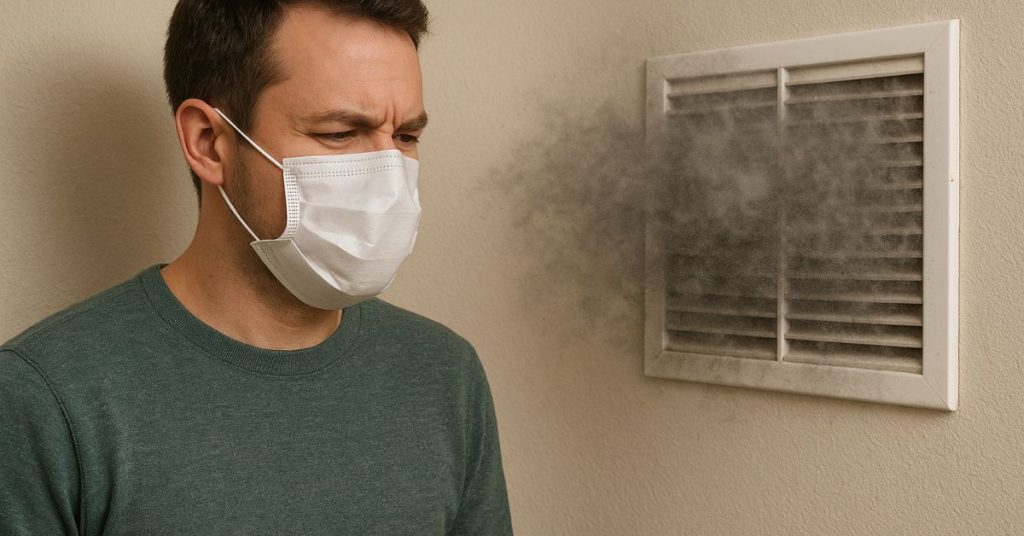
Recognizing early warning signs can prevent costly repairs. Some of the most common indicators include:
- Visible dust or debris blowing from vents
- Musty or unpleasant odors from ductwork
- Unexplained increases in energy bills
- Unusual noises when the system is running
- Uneven heating or cooling across rooms
- Dust accumulation shortly after cleaning surfaces
- Increased allergy symptoms indoors
Prompt attention to these signs ensures your HVAC system remains efficient, clean, and reliable.
Benefits of Routine Air Duct Maintenance
Well-timed duct cleaning and maintenance provide long-lasting benefits:
1. Enhanced System Efficiency
Clean ducts promote optimal airflow, helping your HVAC unit run without excessive strain.
2. Reduced Energy Bills
Improved efficiency directly contributes to lower monthly heating and cooling costs.
3. Longer Equipment Lifespan
By minimizing wear and tear, you protect major components—from blowers to coils—from early damage.
4. Better Indoor Air Quality
Removing contaminants ensures a healthier environment, especially for individuals with respiratory conditions.
5. Fewer Repairs
Routine cleaning prevents blockages that can lead to overheating, malfunctioning parts, and breakdowns.
How Professional Air Duct Cleaning Works
Effective duct cleaning requires specialized tools and expertise. A professional procedure typically includes:
Inspection
Technicians use cameras and diagnostic tools to identify dust buildup, mold presence, and potential damage.
High-Powered Vacuuming
Industrial vacuums remove debris without allowing contaminants to spread into your living space.
Agitation Tools
Rotary brushes and compressed air tools dislodge clingy dirt stuck inside ducts.
Sanitization
Depending on the condition, ducts may be treated with EPA-approved sanitizers to eliminate bacteria and mold spores.
Final Testing
Airflow is measured before and after cleaning to ensure significant improvements have been achieved.
This comprehensive process guarantees that ducts remain clean, safe, and efficient.
Why Regular Maintenance Matters More Than One-Time Cleaning
While a single cleaning session can dramatically improve performance, long-term efficiency demands ongoing upkeep. Dust accumulation is inevitable, especially in households with pets, smokers, or high foot traffic. Routine maintenance ensures:
- Consistent system performance
- Optimal air quality
- Prevention of hidden issues within ductwork
- Extended lifespan of your HVAC system
We recommend scheduling duct inspections annually and cleanings every 2–3 years depending on usage and environmental factors.
Improving HVAC Efficiency Beyond Duct Cleaning
To maximize the performance of your HVAC system, combine duct cleaning with additional maintenance practices:
- Replace filters every 1–3 months
- Keep vents unobstructed
- Schedule annual HVAC tune-ups
- Seal duct leaks to prevent air loss
- Insulate ducts in unconditioned spaces
- Maintain humidity control to prevent mold growth
These proactive steps ensure your system remains energy-efficient while delivering clean, comfortable air.
Who to Call for Professional Air Duct Cleaning
For trusted, high-quality air duct cleaning services, HVAC Alliance Expert provides reliable solutions that improve airflow, indoor air quality, and overall HVAC performance. Our certified technicians use advanced equipment to ensure your system runs efficiently while also supporting essential services like air conditioning repair and heating maintenance for year-round comfort.
Choosing HVAC Alliance Expert means partnering with a team committed to long-term system health and energy savings. Whether you’re addressing poor airflow, rising energy bills, or recurring dust issues, our comprehensive service approach ensures your HVAC system stays clean, efficient, and dependable.
Final Thoughts on Boosting HVAC Efficiency Through Clean Air Ducts
Clean air ducts are essential for maintaining an energy-efficient and reliable HVAC system. By reducing contaminants, improving airflow, and minimizing strain on mechanical components, routine duct cleaning supports better comfort and stronger system performance throughout the year. It also helps prevent unnecessary repairs and ensures consistent heating and cooling in every space.
Regular maintenance is the key to protecting your HVAC investment and promoting cleaner, healthier indoor air. To experience these lasting benefits and keep your system running at peak efficiency, contact us today for professional duct care and support.
FAQs
Air ducts should typically be cleaned every 2–3 years, depending on usage and environmental factors. Homes with pets, smokers, or high dust levels may benefit from more frequent cleanings.
Yes, dirty ducts restrict airflow, forcing your HVAC system to work harder and use more energy. This increased strain often results in higher monthly utility costs.
Common signs include musty odors, visible dust from vents, and uneven heating or cooling. Rising energy bills or frequent allergy symptoms also indicate the need for cleaning.
Absolutely—cleaning removes dust, allergens, mold spores, and other contaminants circulating through your home. This leads to a healthier living environment and better respiratory comfort.
Professional cleaning ensures deep removal of debris that standard household cleaning can’t reach. It also enhances HVAC efficiency, extends equipment lifespan, and reduces the risk of costly repairs.