

A power outage is stressful enough — but coming back home to an air conditioner that won’t turn on makes it even worse, especially during the hot summer months. The good news is that most AC issues after a power outage are easy to fix yourself without calling a technician.
In this guide, we’ll walk you through simple, step-by-step instructions to get your air conditioner back up and running after a power outage.
strategic heating practices. This Saint Patrick’s Day, you can save energy with heating maintenance by inspecting your system, cleaning filters, and scheduling professional tune-ups, ensuring both efficiency and reliability in your home’s heating system.
By following expert guidance, you can transform your home into a winter-ready haven while lowering energy consumption.
Why Does a Power Outage Affect Your Air Conditioner?
When power goes out suddenly, your AC shuts off mid-cycle. That part is normal. The real problem comes when power is restored — often with a sudden surge of voltage that can affect your system in several ways:
Tripped Circuit Breaker: A power surge causes your breaker to trip automatically, cutting power to your AC unit as a protective measure.
Triggered Internal Safety Switch: Most modern AC units have a built-in safety mechanism that shuts the system down during irregular voltage. It won’t restart until manually reset.
Disrupted Thermostat: Programmable and smart thermostats can lose their settings during an outage, preventing your AC from receiving the signal to turn on.
Damaged Capacitor: Power surges are a leading cause of capacitor failure. The capacitor is what gives your AC motor the initial boost to start — if it’s damaged, your system simply won’t turn on.
Refrigerant Pressure Imbalance: When your AC shuts off abruptly, refrigerant pressure inside the system becomes unbalanced. Restarting too quickly forces the compressor to work harder than normal, risking overheating or failure.
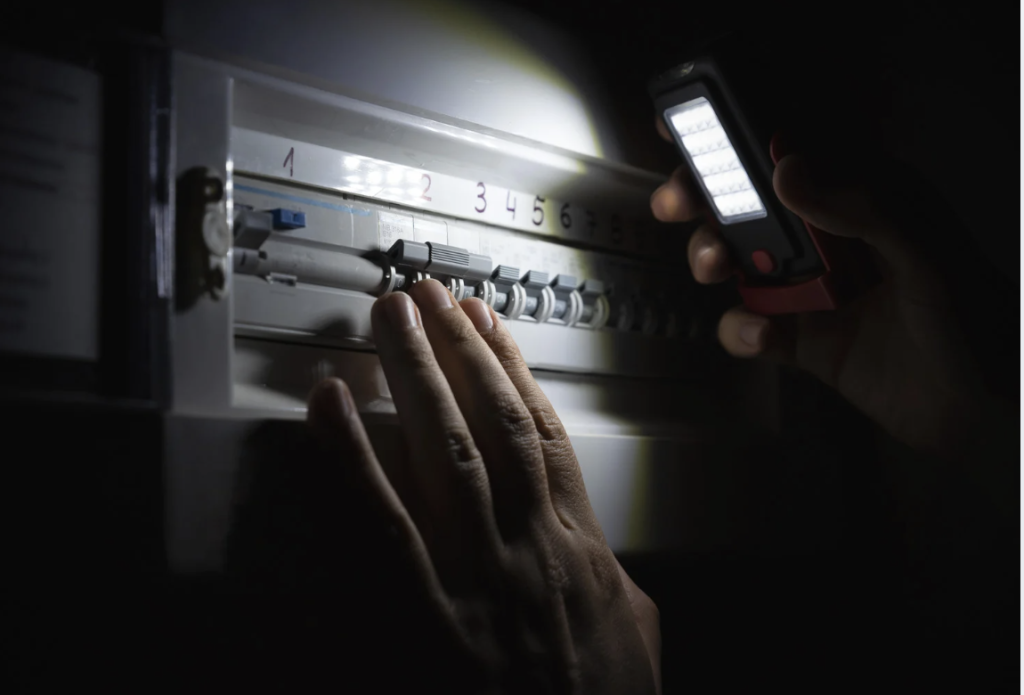
Step-by-Step: How to Get Your AC Running After a Power Outage
Step 1: Wait at Least 30 Minutes
This is the most important — and most overlooked — step. After power is restored, wait at least 30 minutes before turning your AC back on. This allows the refrigerant pressure to stabilize and protects your compressor from unnecessary strain. Skipping this step is one of the most common reasons homeowners end up with a damaged compressor after an outage.
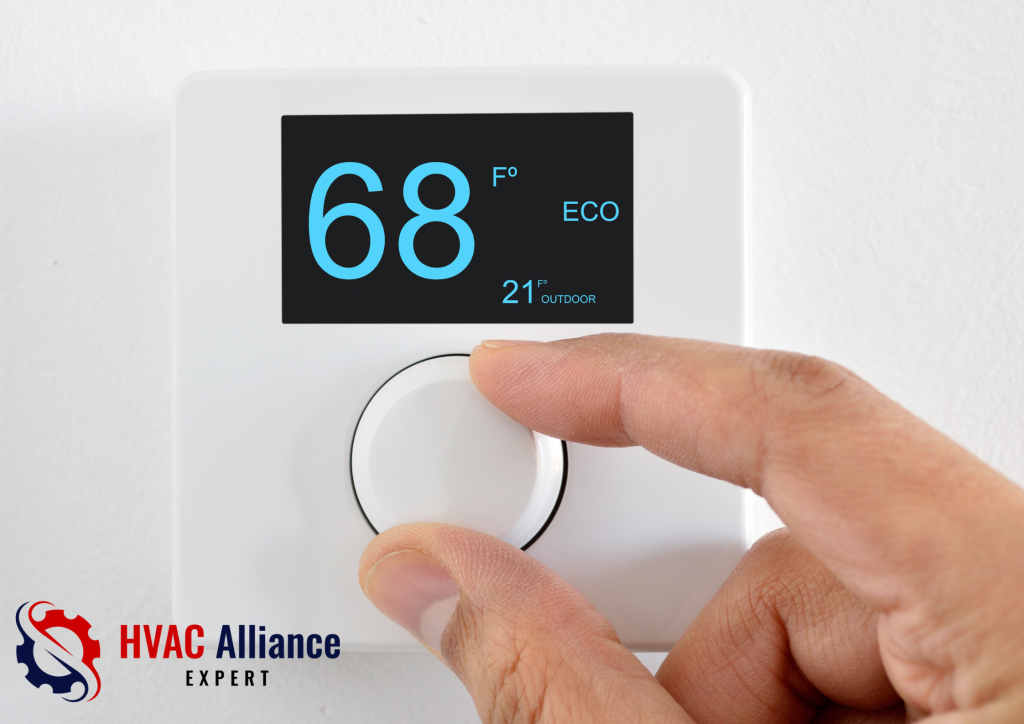
Step 2: Check Your Thermostat
Go to your thermostat and make sure it has power. If the screen is blank or unresponsive:
- Replace the batteries
- Make sure it’s set to “Cool” mode
- Set the temperature a few degrees lower than the current room temperature
- If you have a smart thermostat, check if it needs to reconnect to your Wi-Fi network and reload its settings
Step 3: Check Your Circuit Breaker
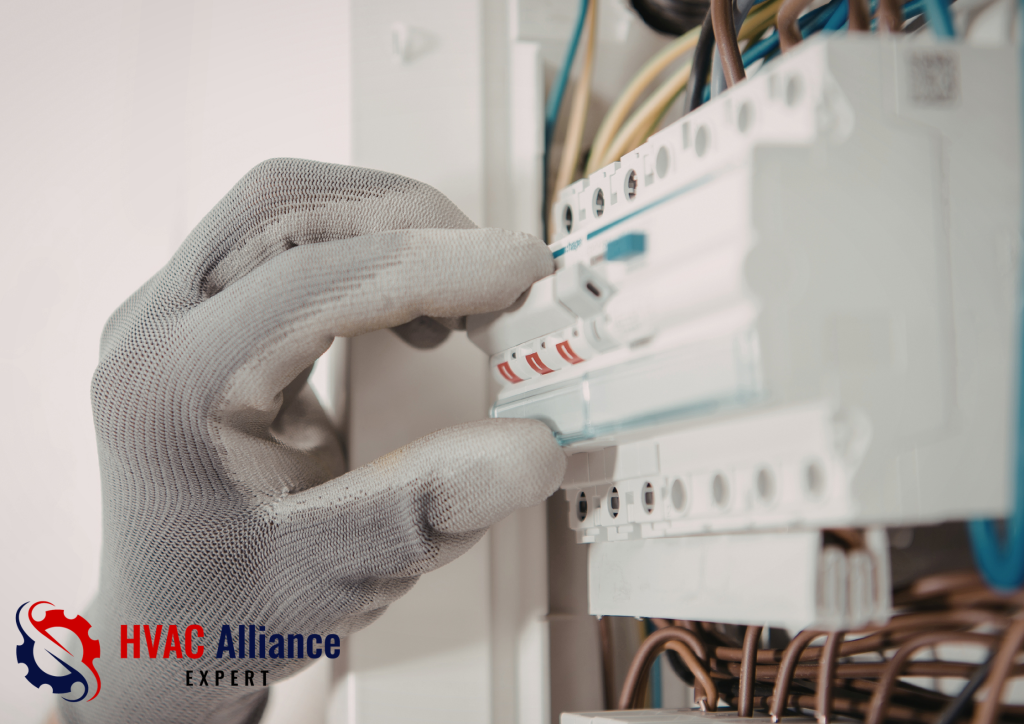
Head to your home’s electrical panel and locate the breaker labeled “AC” or “Air Conditioner.” If it’s in the tripped or OFF position:
- Flip it fully to OFF first
- Wait 30 seconds
- Then flip it back to ON
If the breaker trips again immediately after resetting, do not keep resetting it. This is a sign of a deeper electrical issue — call a licensed HVAC technician or electrician right away.
Step 4: Check the Outdoor Disconnect Box
Most central AC units have an outdoor disconnect box mounted on the wall near the unit. Open it and inspect the fuse inside. A blown fuse is a very common result of a power surge and is usually an inexpensive fix. If the fuse looks burned or damaged, replace it with one of the same amperage rating. If you’re unsure, call a professional.

Step 5: Press the Reset Button on Your AC Unit
Many outdoor AC units have a built-in reset button — typically a small red button located on the exterior of the unit near the refrigerant lines. Press and hold it for 3–5 seconds to reset the system. Not all units have this button, so check your owner’s manual if you can’t find it.
Step 6: Turn Your AC Back On
Once you’ve completed all the steps above:
- Set your thermostat to your desired cooling temperature
- Switch the system to “Cool” mode
- Turn the fan setting to “Auto”
- Give the system 10–15 minutes to kick in and begin cooling your home
If your AC starts up and begins blowing cool air, you’re all set. If it starts but blows warm air, or if it makes unusual noises, move on to the next section.
What to Do If Your AC Still Won't Turn On
If your air conditioner still isn’t working after following all the steps above, the power outage may have caused more serious damage, including:
- Failed capacitor — A common result of power surges, requiring professional replacement
- Burned-out compressor — The most expensive AC repair, often costing $600–$1,200
- Electrical wiring damage — Surges can damage internal wiring that controls the system
- Refrigerant leak — In rare cases, pressure imbalances can stress refrigerant lines
At this point, it’s time to call a licensed HVAC technician. Attempting to fix electrical or refrigerant-related issues yourself can be dangerous and may void your warranty.
Final Thoughts
In most cases, getting your AC running after a power outage is a straightforward process that takes less than an hour. By waiting before restarting, checking your thermostat and breaker, and resetting the unit, you can avoid an unnecessary service call and get your home cool again fast.
If the problem persists after following these steps, don’t wait — contact a trusted HVAC professional in your area for a full system inspection. The sooner you address the issue, the less likely it is to turn into a costly repair.
FAQs
Wait at least 30 minutes after power is restored. This allows refrigerant pressure to stabilize and protects your compressor from damage.
It’s usually a small red button on the exterior of the outdoor unit near the refrigerant lines. Check your owner’s manual if you can’t locate it.
Focus on filters, vents, thermostats, ductwork, and the furnace for optimal performance.
It can, especially if the surge damages the capacitor or compressor. Installing an HVAC surge protector significantly reduces this risk.