

Table of Contents
Yes, rising HVAC energy costs often stem from old units that work harder to maintain temperature. Upgrading can boost efficiency and cut bills.
Key Takeaways:
- Rising HVAC energy costs may indicate inefficiency
- Old units consume more energy
- Upgrading improves performance and lowers expenses
As energy costs continue to surge across the country, homeowners are searching for answers. Why are energy bills climbing so fast? One of the most overlooked causes lies within your own home: your HVAC system. Whether it’s aging equipment, poor maintenance, or inefficient settings, your heating and cooling system could be draining your wallet month after month. In this blog, we dive deep into how HVAC inefficiencies contribute to rising utility costs—and what you can do to fix it.
How Your HVAC System Impacts Energy Consumption
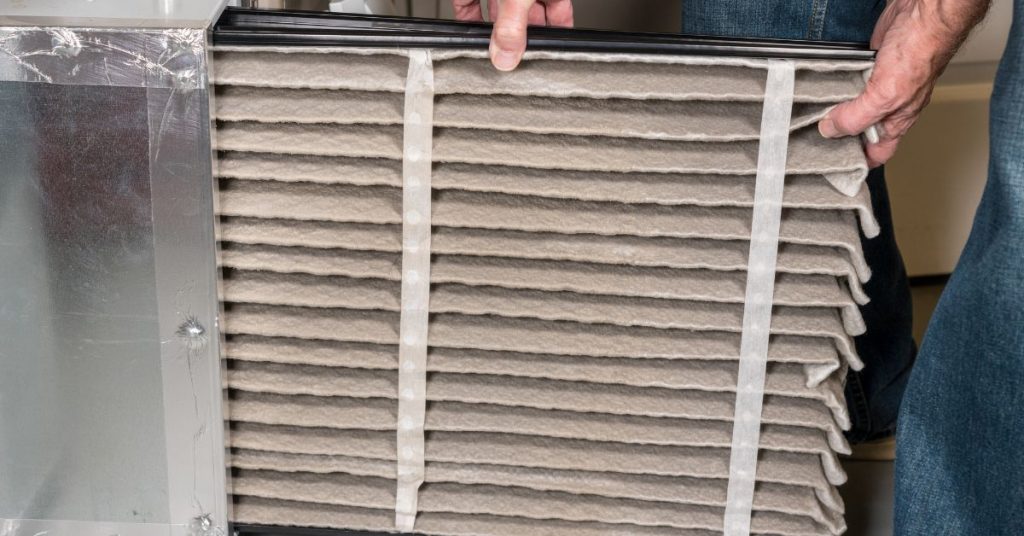
HVAC systems account for nearly 50% of a home’s energy usage, especially in extreme climates. If your system is underperforming or outdated, it requires more energy to heat or cool your home to your desired temperature.
Common HVAC Problems That Drive Up Energy Bills
- Dirty Filters: Clogged air filters reduce airflow, making your HVAC system work harder than necessary.
- Refrigerant Leaks: A leak in the refrigerant line forces the compressor to overwork, increasing energy consumption.
- Old or Inefficient Units: HVAC systems over 10–15 years old lack the efficiency standards of modern equipment.
- Poor Insulation: Without proper insulation, even the most efficient system will struggle to maintain a consistent indoor temperature.
- Improper Sizing: An HVAC unit that’s too large or too small for your home will short cycle or run constantly, wasting energy.
- Lack of Regular Maintenance: Skipping routine inspections and tune-ups can lead to unnoticed issues that increase energy usage over time.
- Ductwork Leaks: According to ENERGY STAR, leaking ducts can reduce HVAC efficiency by up to 30%.
👉 For more details on duct sealing and how it can help, visit the official ENERGY STAR duct sealing page.
Signs Your HVAC System Is Costing You More Than It Should
Homeowners often overlook the warning signs of an inefficient HVAC system, which could be costing hundreds—if not thousands—of dollars each year. Watch out for the following indicators:
- Sudden spikes in utility bills
- Uneven temperatures in different rooms
- Excessive dust or humidity
- System running constantly
- Unusual noises or smells
- Short cycling or frequent repairs
If you’ve noticed any of these symptoms, your HVAC system could be the hidden source of high energy bills.
The Real Cost of Ignoring HVAC Maintenance
Neglecting routine HVAC maintenance doesn’t just cost you in energy. It leads to higher repair costs, shortened system lifespan, and decreased indoor air quality. A system that’s not regularly serviced will lose about 5% of its efficiency each year, eventually leading to complete system failure.
Routine maintenance includes:
- Changing air filters every 1–3 months
- Annual professional tune-ups
- Cleaning condenser and evaporator coils
- Inspecting ductwork for leaks
- Checking thermostat calibration
Preventive care ensures your system runs at peak efficiency, lowering energy consumption and extending its lifespan.
👉 This is why every home needs an annual HVAC maintenance plan—because small, consistent steps save money and protect your comfort long-term.
Upgrading Your HVAC System: When It’s Time to Replace
If your HVAC system is more than 15 years old, it might be time to consider an upgrade. Newer systems are designed with high SEER (Seasonal Energy Efficiency Ratio) ratings, offering up to 30–50% energy savings compared to older models.
Benefits of a High-Efficiency HVAC System
- Lower monthly energy bills
- Quieter operation
- More consistent temperature control
- Smart thermostat integration
- Reduced carbon footprint
Look for ENERGY STAR®-rated equipment, which meets strict energy efficiency guidelines set by the U.S. Environmental Protection Agency.
Smart Thermostats: The Secret Weapon Against High Energy Bills
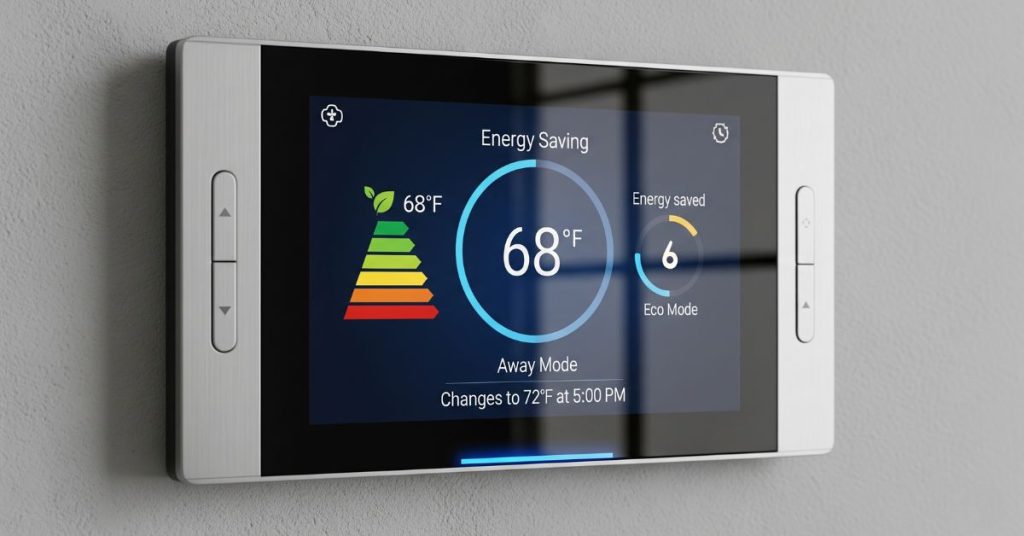
One of the easiest ways to control HVAC energy usage is by installing a smart thermostat. These devices learn your schedule and preferences, adjusting the temperature automatically to optimize comfort and savings.
Key Features of Smart Thermostats:
- Remote control via mobile apps
- Usage reports and energy tracking
- Integration with home automation systems
- Learning algorithms that optimize settings
- Geofencing to adjust temperature based on your location
- Voice control compatibility with assistants like Alexa or Google Assistant
Homes with smart thermostats see an average savings of 10–15% on heating and cooling costs annually.
Duct Sealing and Insulation: Stop Losing Air and Money
Leaky or poorly insulated ducts are one of the biggest hidden energy wasters in homes. Heated or cooled air escapes into crawl spaces or attics, forcing your system to work harder. This results in higher utility bills and inconsistent comfort.
Professional duct sealing and insulation can:
- Improve system efficiency by up to 30%
- Enhance indoor air quality
- Provide more even temperature distribution
- Reduce system strain and maintenance costs
- Lower overall energy consumption year-round
- Increase the lifespan of your HVAC system
Have your ductwork professionally inspected to identify air leaks and ensure it’s properly sealed and insulated.
Zoning Systems: Customize Your Comfort and Cut Costs
Zoned HVAC systems allow you to control the temperature in individual areas of your home, instead of heating or cooling the entire house. This is ideal for multi-story homes, unused rooms, or homes with varying sun exposure.
Benefits of HVAC Zoning:
- Tailored comfort in different areas
- Reduced energy consumption
- Extended system life due to reduced wear
- Lower utility bills
When paired with a programmable or smart thermostat, zoning systems offer unmatched efficiency and comfort.
Professional Energy Audits: Identify the Real Problem
Sometimes, the problem isn’t visible to the naked eye. That’s where a professional home energy audit comes in. Energy auditors use specialized tools to identify:
- Air leaks and insulation gaps
- HVAC inefficiencies
- Poor duct design or leakage
- Appliance energy hogs
- Inefficient lighting or outdated fixtures
- Window and door drafts affecting indoor climate
👉 You can also learn more about home energy audits from the U.S. Department of Energy, which explain how professionals identify hidden inefficiencies.
With this data, professionals can provide a comprehensive plan to reduce your energy usage—starting with the HVAC system.
Call the Experts for HVAC Solutions
When rising energy bills point to HVAC inefficiencies, calling trusted professionals makes all the difference. HVAC Alliance Expert offers comprehensive solutions, including HVAC maintenance, air duct cleaning, and system tune-ups designed to maximize efficiency and comfort. Our skilled technicians ensure your equipment runs smoothly year-round.
Whether you’re considering an upgrade, planning a new installation, or need urgent repairs, HVAC Alliance Expert is your go-to partner. With expert guidance, modern technology, and reliable service, you can enjoy lower energy costs and a more comfortable, efficient home.
The Bottom Line: Cut Energy Costs by Fixing Your HVAC
Rising energy bills aren’t just frustrating—they’re often a sign your HVAC system is working harder than it should. From leaky ducts to outdated units, inefficiencies in your heating and cooling system can silently drain your wallet month after month. Taking proactive steps like routine maintenance, insulation upgrades, and smart thermostat installations can significantly reduce energy waste.
👉 If you’re unsure where to start or suspect your HVAC system is the culprit, contact us today for a professional evaluation. Let our experts help you boost comfort and cut costs.
FAQs
Watch for sudden spikes in energy costs, uneven room temperatures, or your system running constantly. These are strong indicators that your HVAC system may be inefficient or in need of maintenance.
If your unit is over 15 years old, frequently needs repairs, or struggles to maintain a consistent temperature, it’s time to consider a replacement. New high-efficiency models can cut energy costs by up to 50%.
Routine maintenance includes changing air filters, cleaning coils, checking refrigerant levels, and inspecting ductwork. Annual professional tune-ups help catch problems early and ensure peak efficiency.
Yes—smart thermostats can reduce heating and cooling costs by 10–15% annually. They learn your habits and optimize temperature settings automatically for better comfort and savings.
Absolutely—leaking ducts can reduce HVAC efficiency by up to 30%. Proper sealing and insulation prevent air loss and help your system work less to maintain desired temperatures.