

Table of Contents
Keeping an old unit may seem cheaper, but the hidden costs of keeping outdated HVAC include rising energy bills, frequent repairs, poor indoor air quality, and reduced comfort, making timely upgrades more cost-effective.
Key Takeaways:
- Higher long-term energy bills
- Increased repair frequency
- Declining indoor air quality
- Reduced home comfort
- Upgrading saves money and improves efficiency
An outdated HVAC system might seem like a manageable household or commercial expense, but the hidden long-term costs can be far more substantial than most property owners realize. Beyond the initial comfort and convenience, aging systems silently drain your finances, compromise indoor air quality, and reduce overall energy efficiency. Understanding these long-term costs is crucial for making informed decisions regarding HVAC maintenance, upgrades, or replacements.
1. Escalating Energy Bills
One of the most immediate consequences of an outdated HVAC system is skyrocketing energy bills. Older units lack the advanced technology found in modern systems, including variable-speed motors, energy-efficient compressors, and smart thermostats. Over time, wear and tear on these systems leads to inefficient airflow, inconsistent temperatures, and excessive energy consumption.
Studies show that an outdated unit can consume 20–40% more energy than a modern equivalent, resulting in hundreds or even thousands of dollars in extra costs annually. The hidden expense is not just financial—excessive energy use contributes to a larger carbon footprint, further impacting environmental sustainability.
According to the U.S. Department of Energy, heating and cooling make up the largest share of household energy use, which is why energy-efficient upgrades can significantly lower costs.
2. Frequent and Costly Repairs
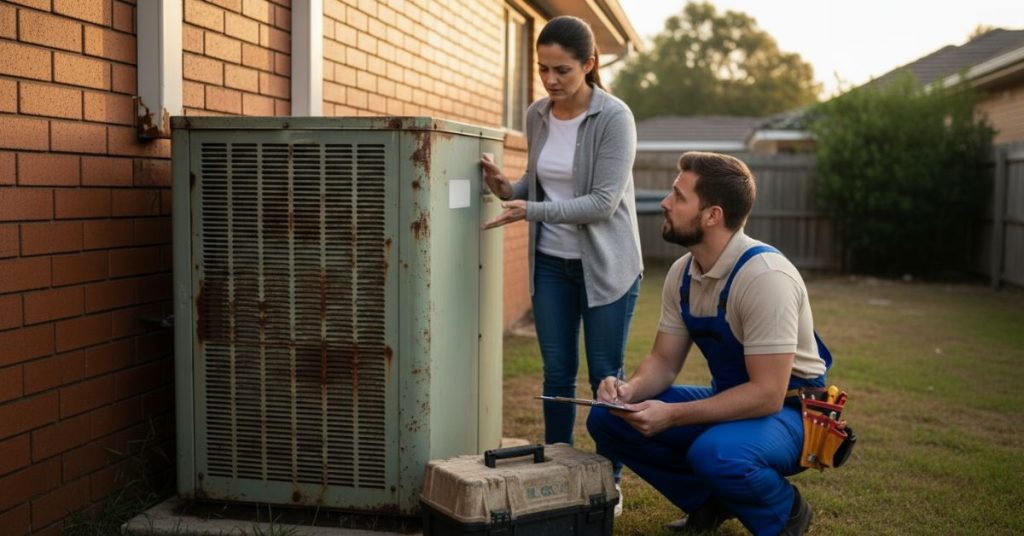
As HVAC systems age, the frequency and cost of repairs increase exponentially. Components such as compressors, fans, and heat exchangers deteriorate over time, often failing without warning. Each repair may provide temporary relief but fails to restore the system to peak performance, creating a cycle of recurring maintenance expenses.
An HVAC outdated system costs more in the long run due to increased susceptibility to refrigerant leaks, corrosion, and electrical failures. Replacement parts for outdated models are often harder to find and more expensive, which significantly raises the long-term cost of maintenance. Many property owners underestimate these cumulative costs, assuming minor repairs are more affordable than they truly are.
3. Reduced HVAC Efficiency and Comfort
An outdated HVAC system struggles to maintain consistent indoor temperatures, creating hot and cold spots within your property. Aging ductwork, clogged filters, and worn-out fans contribute to uneven airflow, making your living or working environment less comfortable. Reduced efficiency not only affects day-to-day comfort but can also strain the system further, accelerating deterioration and compounding repair costs.
Modern high-efficiency HVAC systems provide superior temperature regulation, humidity control, and energy management, which outdated units simply cannot match. Ignoring these benefits leads to continuous discomfort and energy wastage.
4. Compromised Indoor Air Quality
Aging HVAC systems often fail to adequately filter and circulate air, leading to deteriorating indoor air quality. Dirty filters, leaky ducts, and outdated ventilation components allow dust, allergens, mold spores, and bacteria to circulate throughout your home or commercial space.
According to the U.S. Environmental Protection Agency (EPA), poor indoor air quality can significantly impact health, worsening allergies, asthma, and other respiratory conditions, particularly in vulnerable populations such as children and the elderly.
While there are easy ways to improve indoor air quality naturally, investing in modern HVAC technology ensures advanced air purification, HEPA filtration, and humidity control, which reduces airborne contaminants and promotes a healthier environment. Neglecting these upgrades can lead to hidden health costs and reduce the overall livability of your property.
5. Safety Risks and Liability
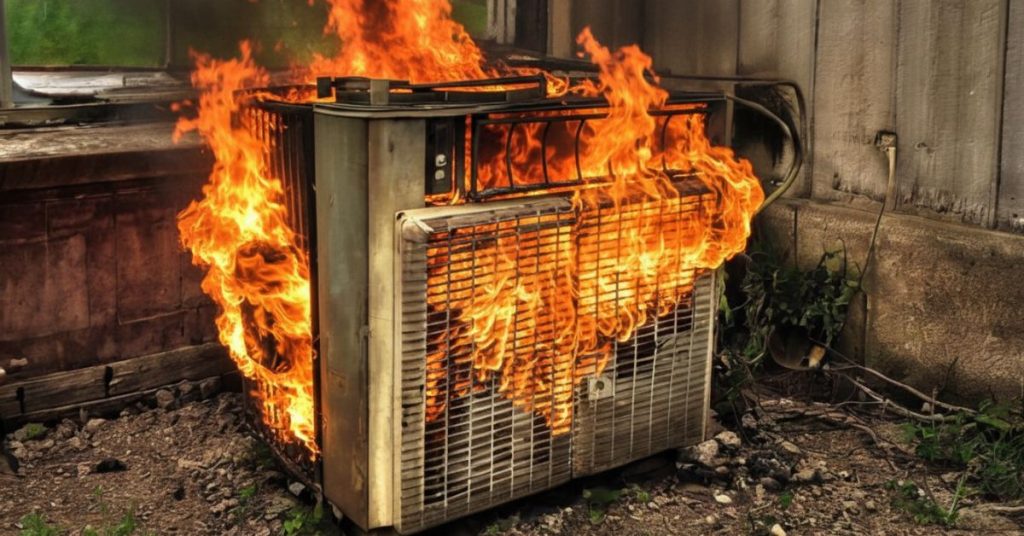
Older HVAC units may pose serious safety risks that are often overlooked. Over time, components such as electrical wiring, refrigerant lines, and heat exchangers can degrade, creating potential fire hazards or carbon monoxide leaks. These risks not only endanger the safety of occupants but can also lead to costly property damage. In homes and especially in commercial settings, failure to maintain or replace outdated systems can severely increase liability risks, making property owners legally responsible for any resulting harm.
Modern HVAC systems incorporate advanced safety features, including automatic shut-offs, leak detection, and improved ventilation systems, significantly reducing the risk of accidents or dangerous incidents. Upgrading to a newer system not only enhances safety but also provides peace of mind, ensuring a healthier and more secure environment for everyone in the space.
6. Decreased Property Value
A property with an outdated HVAC system may seem less appealing to potential buyers or tenants, especially when compared to those equipped with high-efficiency, modern systems. These updated units offer improved comfort, lower energy bills, and fewer maintenance issues, making properties more attractive and competitive in the market. Buyers often perceive newer systems as a sign of overall good upkeep and reliability.
On the other hand, keeping an old HVAC system can lead to a reduced resale value, as prospective owners may factor in replacement costs. Upgrading is a smart investment that enhances both comfort and long-term property value.
7. Environmental Impact
Beyond personal costs, the environmental impact of outdated HVAC systems contributes significantly to environmental degradation. Older units often use R-22 refrigerant, which is being phased out due to its ozone-depleting properties. These systems also tend to consume more energy, leading to increased greenhouse gas emissions that accelerate climate change.
The U.S. Environmental Protection Agency (EPA) highlights this R-22 phaseout as a critical step toward protecting the ozone layer and reducing environmental risks.
Modern systems are designed to operate with eco-friendly refrigerants, which are safer for the environment and comply with current regulations. This shift not only supports sustainability but also provides long-term financial benefits through lower utility bills and reduced maintenance needs.
8. Inefficient System Performance Leads to Hidden Costs
An inefficient HVAC system does more than increase utility bills—it can impact the lifespan of your property’s other systems and appliances. When airflow is poor or temperatures fluctuate, insulation works harder, electronics overheat or fail prematurely, and plumbing systems may be strained by inconsistent humidity levels. These issues develop gradually, often going unnoticed until damage has already occurred.
As a result, property owners may face unexpected repair or replacement costs beyond the HVAC system itself, making inefficiency a much costlier problem than it first appears. Investing in a high-performance HVAC system helps protect your entire property from avoidable damage.
9. Tax Incentives and Rebates Missed
Upgrading to a modern, energy-efficient HVAC system may qualify property owners for federal, state, and local tax incentives or rebates. These financial benefits can significantly offset the upfront cost of a new system, making the investment more affordable. In addition to immediate savings, many of these newer systems come with extended warranties and performance guarantees that lower long-term maintenance and repair expenses.
By choosing to maintain an outdated system, property owners miss out on these valuable opportunities. Upgrading not only improves comfort and efficiency but also unlocks meaningful financial incentives that enhance overall return on investment.
10. Strategic Replacement vs. Continuous Maintenance
While regular maintenance can extend the life of an HVAC system, there comes a tipping point where ongoing repairs exceed the cost of replacement. Evaluating lifetime costs, repair frequency, and energy efficiency helps determine the optimal replacement timeline. Continually investing in an aging system may seem cost-effective in the short term but often leads to rising energy bills due to old HVAC systems, frequent breakdowns, and decreased comfort.
A strategic upgrade ensures long-term savings, improved performance, and peace of mind. It also reduces financial strain, health concerns, and safety risks associated with outdated units—making replacement not just practical, but a smart financial decision.
Who to Call for Professional HVAC Services: Trust HVAC Alliance Expert
When facing the hidden costs of keeping outdated HVAC systems, it’s essential to work with a reliable professional who can handle everything from HVAC installation and updates to routine maintenance and repairs. HVAC Alliance Expert offers comprehensive services tailored to improve system efficiency and indoor air quality, including expert air duct cleaning to keep your environment healthy.
Don’t let frequent breakdowns or rising energy bills overwhelm you. Contact us today for trusted advice and professional HVAC service to ensure your system runs smoothly, safely, and efficiently for years to come.
Conclusion
The hidden long-term costs of an outdated HVAC system go beyond repairs and high utility bills—they also impact indoor air quality, safety, and property value. Choosing to upgrade to a modern, energy-efficient system ensures greater comfort, reliability, and long-term savings while reducing environmental impact. Property owners who make the switch benefit from improved efficiency, fewer breakdowns, and healthier living conditions.
Take advantage of our promotions today and call HVAC Alliance Expert for professional HVAC services that deliver lasting comfort, savings, and peace of mind.
FAQs
If your system is over 10-15 years old and requires frequent repairs, it’s likely outdated. Additionally, rising energy bills and inconsistent indoor temperatures are key indicators.
Modern systems offer improved energy efficiency, lower utility bills, and better indoor air quality. They also provide enhanced comfort with consistent temperature control and advanced safety features.
Routine maintenance helps prolong your system’s life and reduce repair frequency but won’t fully eliminate inefficiencies of an aging unit. Eventually, replacement becomes more cost-effective than ongoing repairs.
Air duct cleaning removes dust, allergens, and debris that clog your system, improving airflow and indoor air quality. It also helps your HVAC operate more efficiently, potentially lowering energy costs.
Yes, many federal, state, and local programs offer rebates or tax credits for installing energy-efficient HVAC units. These incentives can significantly reduce upfront costs and improve your return on investment.