

Table of Contents
It refers to the cleanliness and safety of the air inside your home. Good indoor air quality protects both humans and pets from allergens, pollutants, and respiratory issues, ensuring a healthier living environment.
Key Takeaways:
- Indoor air quality affects both pets and humans.
- Poor air quality can trigger allergies and respiratory problems.
- Regular ventilation and air filtration improve home air safety.
- Maintaining clean indoor air supports long-term pet health.
Indoor air quality (IAQ) plays a crucial role in maintaining a healthy and safe environment for both humans and pets. Poor indoor air quality can result in a range of health problems, from minor respiratory issues to severe chronic illnesses. For pet owners, maintaining optimal IAQ is especially critical, as pets are more sensitive to airborne pollutants, allergens, and toxins due to their smaller size, faster breathing rates, and close contact with floors where dust and debris accumulate.
Understanding Indoor Air Quality
The quality of air within enclosed spaces like homes and offices plays a crucial role in maintaining health and comfort. Factors such as ventilation, humidity, temperature, and the presence of indoor pollutants all contribute to what is known as indoor air quality. According to the U.S. Environmental Protection Agency (EPA), indoor air can often be more polluted than outdoor air, making it essential to identify and manage indoor sources of pollution.
Common sources of poor air quality include chemical emissions from cleaning products, pet dander, mold spores, dust mites, and even byproducts from cooking. When indoor air quality is compromised, it can lead to respiratory issues, allergies, and general discomfort. Regular monitoring, improved ventilation, and proper cleaning practices help ensure safer, healthier indoor environments for both people and pets.
Common Indoor Air Pollutants Affecting Pets
Indoor environments can contain a variety of hidden pollutants that negatively impact the health of household pets. Understanding these common indoor air pollutants is essential for creating a safer, more breathable space for your furry companions.
- Pet Dander and Hair
Pets naturally shed dander and hair, which can circulate in the air and settle on surfaces. Dander contains proteins that are potent allergens, leading to sneezing, coughing, and eye irritation in sensitive pets and humans alike. - Dust and Dust Mites
Dust accumulation often harbors dust mites, which feed on dead skin cells from both humans and animals. Dust mites are a significant trigger for allergies and respiratory issues. - Mold and Mildew
Moist environments, especially in bathrooms, kitchens, and basements, encourage mold growth. Mold spores are airborne and can exacerbate asthma, allergic reactions, and even skin infections in pets. - Volatile Organic Compounds (VOCs)
Cleaning agents, paints, air fresheners, and other household products emit VOCs that degrade indoor air quality. Long-term exposure to VOCs can harm pet organs, particularly the liver and kidneys.
Carbon Monoxide and Other Gases
Poorly ventilated homes with gas appliances or heating systems may accumulate carbon monoxide, nitrogen dioxide, and other harmful gases. Pets are particularly vulnerable to gas exposure due to their smaller lung capacity.
Why Indoor Air Quality Is Critical for Pet Health
Maintaining good indoor air quality is not merely a human concern; pets are equally affected. Poor IAQ can lead to:
- Respiratory Issues
Polluted indoor air containing dust, mold spores, or chemical fumes can severely affect a pet’s respiratory system. Over time, this exposure may cause chronic symptoms such as coughing, sneezing, wheezing, or labored breathing. Cats, birds, and small dog breeds are particularly vulnerable due to their smaller respiratory tracts. Prolonged exposure can lead to long-term respiratory conditions that significantly impact a pet’s comfort, activity levels, and overall well-being.
- Skin Problems
Airborne allergens like dust, pollen, and mold can settle on a pet’s fur and skin, causing allergic reactions and inflammation. These skin irritants often result in persistent itching, rashes, or redness. Pets may scratch or lick the affected areas excessively, leading to sores or infections. Poor indoor air quality can thus directly contribute to dermatological issues, especially in breeds prone to allergies or with sensitive skin conditions.
- Eye Irritation
Pollutants such as dust, pet dander, smoke, and volatile chemicals from household products can irritate the sensitive membranes of pets’ eyes. Symptoms may include redness, excessive tearing, squinting, or eye discharge. Continued exposure without proper ventilation may worsen the irritation, potentially leading to infections or damage to the eyes. Pets that spend most of their time indoors are at higher risk of chronic eye discomfort linked to poor air quality.
- Exacerbation of Preexisting Conditions
Pets with preexisting health issues like asthma, bronchitis, or heart disease are especially susceptible to the harmful effects of indoor pollutants. Contaminants such as mold spores, cigarette smoke, and chemical fumes can aggravate symptoms, triggering more frequent attacks or health crises. The CDC’s Healthy Pets website highlights how indoor environmental factors can affect pet health and offers guidelines to help pet owners maintain a safer living space.
- Behavioral Changes
Just like humans, pets can exhibit behavioral changes when exposed to unhealthy environments. Constant exposure to poor indoor air quality may cause stress, fatigue, irritability, or reduced appetite in pets. Over time, they may become less playful, sleep more, or withdraw socially. These changes can often be misinterpreted as aging or laziness when they’re actually physical responses to discomfort caused by breathing in unclean or chemically-laden indoor air.
Steps to Improve Indoor Air Quality for Pet Owners

1. Regular Cleaning and Vacuuming
Consistent cleaning routines significantly reduce the buildup of pet hair, dander, and dust. Using HEPA filter vacuums helps trap tiny particles that standard vacuums might miss. Microfiber cloths effectively capture dust on surfaces without spreading it into the air. Washing pet bedding, toys, and blankets regularly also helps minimize allergens. Together, these steps create a cleaner living environment and support better indoor air quality for both pets and their owners.
2. Effective Ventilation
Proper ventilation is key to keeping indoor air fresh and breathable. Opening windows regularly allows outdoor air to circulate and push out indoor pollutants. Using exhaust fans in moisture-prone areas like kitchens and bathrooms helps remove odors and excess humidity. Ensuring your HVAC system functions efficiently also supports airflow throughout your home, reducing the concentration of allergens and contaminants that could affect your pet’s health.
3. Air Purifiers with HEPA Filters
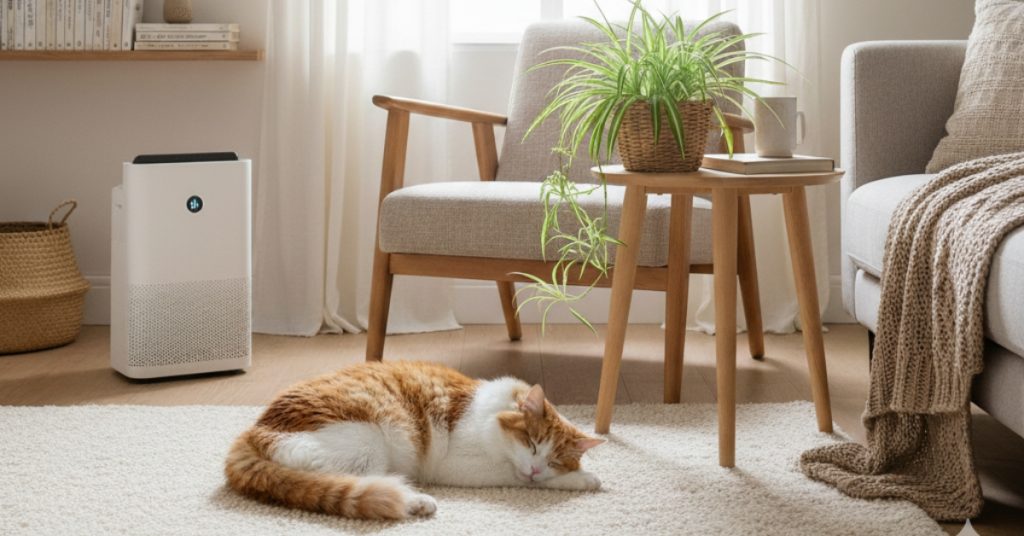
High-efficiency air purifiers equipped with HEPA filters are excellent tools for capturing airborne allergens such as pet dander, dust, and pollen. They’re especially helpful in homes with multiple pets, where allergen levels are naturally higher. Placing air purifiers in rooms where pets spend the most time ensures maximum effectiveness. This helps reduce allergy symptoms in both humans and pets, creating a cleaner and more comfortable indoor environment.
4. Controlling Humidity Levels
Balanced indoor humidity is vital for preventing the growth of mold, mildew, and dust mites, which can aggravate pet allergies. Aim to maintain humidity levels between 30-50%. Dehumidifiers are useful in damp areas like basements, while humidifiers can add moisture during dry seasons. Monitoring and controlling indoor humidity helps protect pets from respiratory irritation and skin issues, while also preserving your home’s overall air quality and structural integrity.
5. Safe Cleaning Products
Using pet-safe, non-toxic cleaning products is essential for protecting indoor air quality. Many traditional cleaners release volatile organic compounds (VOCs)—harmful chemicals that can linger in the air and irritate a pet’s respiratory system. Switching to natural or eco-friendly products reduces this risk while keeping your home clean. Always read labels to ensure ingredients are safe for pets, and avoid spraying cleaners near areas where your pets eat, sleep, or play.
6. Regular HVAC Maintenance Service
Regular HVAC maintenance service is essential for maintaining clean, healthy indoor air, especially in homes with pets. Without proper care, dust, dander, and mold can build up in your system and spread throughout your living space. Routine filter changes and professional air duct cleaning help remove these pollutants and keep your air fresh. Plus, how preventive HVAC maintenance cuts energy bills adds extra value, making it a smart and responsible long-term investment.
7. Limit Indoor Smoking
Tobacco smoke contains hundreds of harmful chemicals that can seriously impact a pet’s respiratory system. Pets, especially those with existing health conditions, are highly sensitive to smoke exposure. Creating a smoke-free home significantly improves indoor air quality and reduces health risks for both pets and people. If smoking cannot be avoided, it should always be done outside and away from doors, windows, and any ventilation systems connected to indoor areas.Lorem ipsum dolor sit amet, consectetur adipiscing elit. Ut elit tellus, luctus nec ullamcorper mattis, pulvinar dapibus leo.
Monitoring Indoor Air Quality
Monitoring indoor air quality helps pet owners maintain a safe and healthy environment. Advanced IAQ monitors measure pollutants like particulate matter (PM2.5 and PM10), volatile organic compounds (VOCs), and carbon monoxide—common indoor threats that often go unnoticed. These pollutants can aggravate respiratory issues in pets, especially those with sensitivities.
By offering real-time data on humidity and temperature, these devices allow for immediate corrective actions, such as improving ventilation or turning on air purifiers. Consistent monitoring ensures early detection of poor air conditions, providing peace of mind and healthier air for everyone in the home.
The Role of Plants in Improving Air Quality
Incorporating indoor greenery can naturally improve IAQ in pet-friendly homes. Certain houseplants absorb airborne toxins, release oxygen, and help maintain optimal humidity. Plants like spider plants, Boston ferns, and Areca palms are not only visually appealing but also effective in filtering out common pollutants such as formaldehyde and benzene.
However, it’s essential for pet owners to choose only non-toxic varieties, as many plants can be harmful if ingested by pets. With the right selection, indoor plants offer a low-maintenance, eco-friendly way to purify air and create a calming, healthier atmosphere for both people and animals.
Pet Grooming and Its Impact on Air Quality
Regular grooming is a key strategy for controlling pet-related allergens in the home. Shedding hair and dander are major contributors to indoor air pollution, especially in multi-pet households. Routine brushing helps capture loose fur before it enters the air, while bathing pets with gentle, pet-safe shampoos removes allergens from their coats.
Clean pets contribute to a cleaner home environment. Regular grooming sessions, along with keeping bedding, toys, and litter areas sanitary, significantly lower allergen levels. This practice not only supports pet health and comfort but also improves overall indoor air quality for everyone in the household.
Creating a Pet-Friendly Indoor Air Strategy
A comprehensive strategy to maintain optimal indoor air quality for pets involves integrating multiple solutions that work together to reduce allergens, control pollutants, and support a healthier indoor environment.
Key components include:
- Routine cleaning and vacuuming to reduce pet hair, dander, and dust buildup.
- Use of HEPA air purifiers to capture fine particles and allergens.
- Humidity control with dehumidifiers or humidifiers to prevent mold and dust mites.
- Safe household products free from volatile organic compounds (VOCs) and harmful chemicals.
- Frequent professional HVAC maintenance to ensure clean, efficient airflow and energy savings.
- Non-toxic indoor plants like spider plants, Boston ferns, and Areca palms to naturally purify air.
- Regular pet grooming to reduce shedding and limit airborne allergens.
- Proper ventilation practices such as opening windows and using exhaust fans to reduce indoor pollutants.
- Monitoring indoor air quality with smart IAQ devices to detect pollutants in real-time.
- Limiting indoor smoking to protect pets from secondhand smoke and toxic chemicals.
This multi-faceted approach ensures pets remain healthy, active, and free from airborne allergens that compromise their well-being.
Who to Call for Trusted Indoor Air Quality Services
To ensure the air your pets breathe is clean and safe, professional help is sometimes essential. For reliable HVAC maintenance, air duct and dryer vent cleaning, and expert indoor air quality services, trust HVAC Alliance Experts. We specialize in improving home air systems to eliminate allergens, dust, and hidden pollutants that impact both human and pet health.
Ignoring regular servicing can lead to the dangers of poor air quality for pets, including respiratory distress and allergic reactions. Here’s why homeowners trust HVAC Alliance Experts:
- Licensed and experienced technicians
- Comprehensive air quality assessments
- Pet-friendly, eco-safe cleaning methods
- Same-day service and fair pricing
📞 Contact Us today to schedule your indoor air quality inspection or cleaning service and give your pets the fresh air they deserve.
Long-Term Benefits of Maintaining High Indoor Air Quality for Pets
Maintaining high indoor air quality offers lasting health benefits for pets, including stronger respiratory systems, reduced allergic reactions, and fewer chronic illnesses. Cleaner air helps pets breathe easier, sleep more soundly, and remain active, which supports their overall well-being. Over time, this leads to a healthier, more comfortable life for your furry companions.
In addition to health improvements, high indoor air quality can significantly lower veterinary expenses by preventing illness and reducing the need for frequent treatments. It also contributes to emotional well-being, enhancing pets’ behavior, mood, and quality of life alongside their human families.
Conclusion
Creating a clean and healthy indoor environment isn’t just a luxury—it’s a responsibility every pet owner shares. By proactively managing indoor air quality through regular cleaning, proper ventilation, pet grooming, and professional HVAC maintenance, you’re making a meaningful investment in your pets’ long-term health and happiness. When your furry companions breathe cleaner air, they enjoy better sleep, more energy, and fewer visits to the vet, making your home a safer and more loving space.
If you’re ready to take the next step toward a fresher, healthier home, call us to schedule a professional air quality service with HVAC Alliance Experts. Don’t forget to check our promotions for exclusive savings on HVAC maintenance and air duct cleaning services. Prioritize your pet’s health today—because they deserve nothing less than the cleanest air possible.
FAQs
Pets are closer to the ground where pollutants like dust and dander settle, and they breathe faster than humans, increasing their exposure to airborne toxins. Their smaller bodies and respiratory systems also make them more vulnerable to poor air quality.
Yes, air purifiers with HEPA filters can effectively capture pet dander, hair, and other allergens. They help reduce airborne irritants, making it easier for pets to breathe and stay healthy.
Non-toxic plants like spider plants, Boston ferns, and Areca palms help filter pollutants while being safe for pets. Always verify plant safety with a trusted source before bringing any greenery indoors.
It’s recommended to have your HVAC system professionally inspected and cleaned at least once a year if you have pets. You should also replace air filters every 1–3 months to control pet hair and dander buildup.
Watch for symptoms like coughing, sneezing, eye irritation, skin rashes, or changes in behavior such as fatigue or loss of appetite. These signs may indicate your pet is reacting to indoor pollutants.