

Many Los Angeles homeowners face skyrocketing energy costs without realizing their old HVAC system high energy bills are the culprit. Aging units struggle with efficiency, leaky ducts, and worn components, forcing your system to work harder—and consume more electricity or gas. This not only drives up energy bills but can also shorten your HVAC system’s lifespan.
Understanding why your unit consumes extra energy and recognizing the warning signs is key. From frequent cycling to uneven cooling, these indicators can help you decide whether professional HVAC repair or full replacement is the best choice for comfort, savings, and long-term efficiency.
Key Takeaways:
- Aging HVAC systems lose efficiency, increasing energy costs.
- Worn components make units work harder and shorten lifespan.
- Modern systems reduce energy consumption and improve comfort.
- Professional maintenance or replacement ensures long-term savings.
Signs Your Old HVAC Unit Is Costing You More
An old HVAC system high energy bills typically shows multiple warning signs before it completely fails.
Knowing these indicators can help homeowners take timely action:
- Frequent cycling on and off – If your unit turns on and off more than usual, it’s likely struggling to maintain temperature efficiently.
- Uneven heating or cooling – Rooms that feel hotter or colder than others indicate airflow issues or mechanical wear.
- Excessive noise – Unusual rattling, buzzing, or clanking noises signal deteriorating components.
- High energy bills despite low usage – A spike in utility bills with no corresponding increase in usage is a red flag.
- Older than 10–15 years – Most HVAC systems begin losing efficiency after a decade, making them prime candidates for replacement.
Recognizing these issues early allows homeowners to seek HVAC repair in Los Angeles for old HVAC system problems before energy costs spiral out of control.
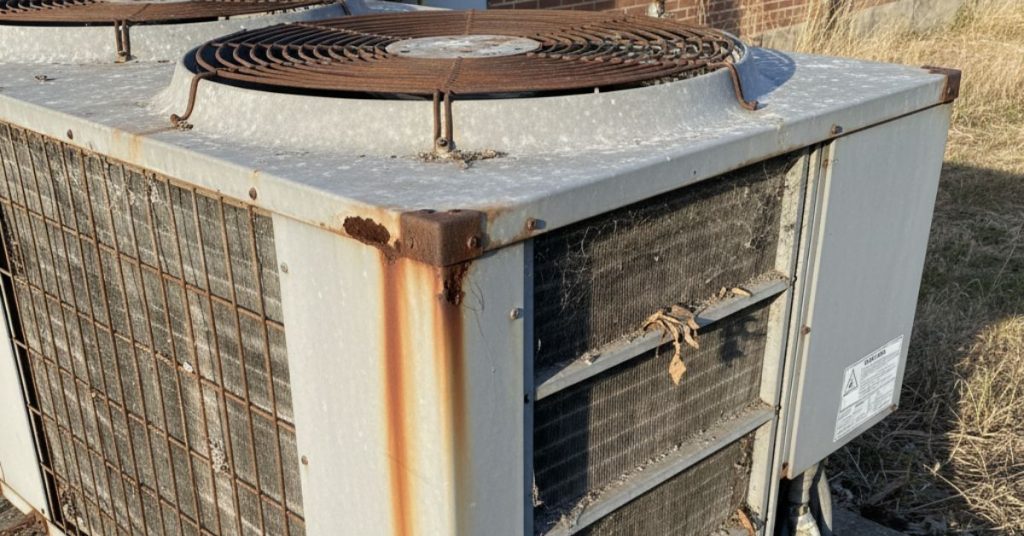
Why Old HVAC Systems Consume More Energy
Several factors contribute to the inefficiency of older HVAC units:
- Worn-out components – Compressors, fans, and motors degrade over time, reducing performance.
- Leaky ducts – Older ductwork often develops cracks, letting conditioned air escape into unused spaces.
- Outdated technology – Modern HVAC systems incorporate advanced energy-saving technologies that older units lack.
- Improper maintenance history – Units that haven’t been serviced regularly accumulate dirt, debris, and mold, making airflow less efficient.
- Incorrect sizing – An undersized or oversized unit consumes more energy as it struggles to maintain comfort levels.
Addressing these inefficiencies can drastically improve efficiency of old HVAC system in Los Angeles, reducing energy waste and extending equipment lifespan.
Proper refrigerant management is also key—learn more about safe handling in Freon: What is, Its Replacement and How to Refill.
Strategies to Improve Efficiency and Reduce Energy Costs
Even if replacing your HVAC system isn’t immediately feasible, there are practical measures to curb high energy usage:
- Regular maintenance – Schedule seasonal check-ups, clean coils, replace filters, and lubricate moving parts.
- Seal duct leaks – Properly insulated and sealed ducts prevent conditioned air from escaping.
- Thermostat upgrades – Installing programmable or smart thermostats helps regulate temperature efficiently.
- Zoning solutions – Divide your home into zones with independent controls to avoid unnecessary heating or cooling.
- Insulation improvements – Upgrade attic, wall, and window insulation to minimize heat loss and gain.
For additional tips on practical ways to reduce heating and cooling energy use, check out ENERGY STAR Heating & Cooling efficiency tips. These steps contribute to long-term energy efficiency and ensure that your current system operates at optimal performance.
The Benefits of HVAC Replacement
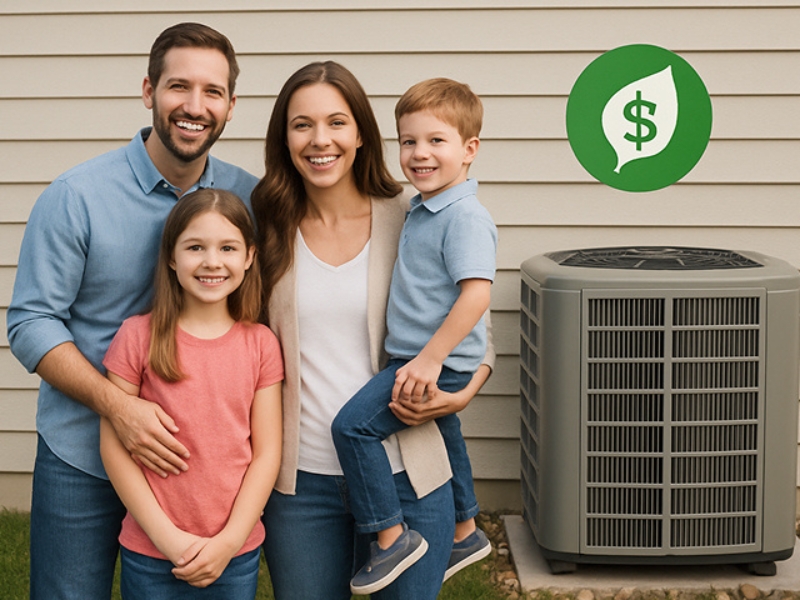
While repairs and upgrades can help, many homeowners find that HVAC replacement benefits outweigh the cost of maintaining an outdated unit. Modern systems offer:
- Lower energy consumption – High-efficiency models consume significantly less electricity or gas.
- Improved comfort – Advanced technology ensures more consistent indoor temperatures.
- Enhanced air quality – New filters and purification systems reduce dust, allergens, and bacteria. For guidance on indoor air quality while improving energy efficiency, visit the EPA’s Indoor Air Quality and Energy Efficiency page.
- Smart integration – Connectivity with smart home devices allows for precise control and energy monitoring.
- Reliability – New units reduce the frequency of breakdowns and costly emergency repairs.
Investing in a new system can dramatically lower home cooling costs while providing long-term savings and peace of mind.
Choosing Professional HVAC Services in Los Angeles
Attempting DIY solutions or unqualified repairs on old HVAC systems can lead to costly mistakes. Professional technicians bring expertise, proper tools, and certified experience to address:
- Comprehensive system evaluation – Identifying wear, inefficiency, and potential failures.
- Tailored repair plans – Fixing only what’s necessary to maximize lifespan and efficiency.
- System optimization – Ensuring airflow, refrigerant levels, and electrical components operate correctly.
- Replacement guidance – Helping homeowners choose the right modern unit for their home size and energy needs.
Trusting a licensed HVAC technician in Los Angeles from HVAC Alliance Expert ensures your system runs efficiently and lasts longer.
Energy Efficiency Tips for Old and New Systems
Whether you repair or replace your system, maintaining energy efficiency is key. Consider:
- Regular filter replacement – Dirty filters restrict airflow and increase energy use.
- Programmable schedules – Adjust temperatures when rooms are unoccupied.
- Ceiling fan use – Fans help circulate air, reducing the burden on your HVAC system.
- Window treatments – Blinds and curtains block heat in summer and retain warmth in winter.
- Routine professional inspections – Certified technicians providing HVAC repair services catch minor issues before they escalate.
Implementing these practices can reduce your carbon footprint while maintaining comfort throughout the year.
Conclusion
An old HVAC system high energy bills issue doesn’t have to drain your wallet. By recognizing warning signs, scheduling regular HVAC maintenance, and exploring replacement benefits, homeowners can enjoy lower energy costs and improved comfort.
With expert guidance from HVAC Alliance Expert, Los Angeles residents can repair, optimize, or replace HVAC units confidently.
Don’t wait for a breakdown—book now and keep your home comfortable all year!
FAQs
Signs include uneven temperatures, frequent cycling, strange noises, rising energy bills, and systems older than 10–15 years.
Most residential HVAC systems last 10–15 years before efficiency declines significantly.
Yes. Seasonal maintenance improves airflow, system balance, and performance, lowering energy use.
Yes. Upgrading from 10 SEER to 16 SEER can reduce cooling energy consumption by up to 37%.
Absolutely. They optimize scheduling and reduce unnecessary runtime, lowering monthly costs.